Plumbing Maintenance Matters

Benefits of Scheduling Annual Plumbing Maintenance

Plumbing systems operate more reliably and efficiently when routine maintenance is completed regularly. Annual inspections help reduce the risk of breakdowns, improve performance, and lower long-term costs. By addressing small issues before they turn into larger ones, maintenance provides ongoing protection for pipes, fixtures, and appliances.

Better Efficiency

save money Routine plumbing maintenance helps detect hidden water leaks and weak points in the system. Fixing these issues prevents water waste, supports better water efficiency, and reduces monthly water bills. Preventative measures also help maintain consistent water pressure and system reliability.

Water heater maintenance increases energy efficiency by removing sediment buildup and ensuring proper operation. Flushing the tank and checking components can lead to improved heating performance and faster recovery times. Increased efficiency results in lower utility costs and less strain on the unit.

Efficient plumbing systems reduce overall water and energy consumption. Smaller bills and fewer service calls provide both financial and environmental benefits. Regular upkeep supports system performance throughout the year.

Fewer Problems and Repairs

sinkAnnual plumbing maintenance lowers the risk of leaks, clogs, and system malfunctions. Inspections help catch early warning signs and allow for repairs before major failures occur. Fewer disruptions mean more consistent use of plumbing fixtures without inconvenience.

Early detection of corrosion, mineral buildup, or worn components helps avoid unexpected repair costs. Fixing problems during routine visits prevents them from worsening over time. Planned service reduces the likelihood of emergency plumbing calls.

Identifying and correcting minor issues keeps the plumbing system in better condition year-round. Timely interventions protect other parts of the system from unnecessary strain. Fewer major repairs also mean less property damage and downtime.

Longer Lifespan

Ongoing maintenance reduces stress on plumbing pipes and fixtures, helping prevent early deterioration. Pipes free of corrosion or mineral buildup function more reliably and last longer. Maintenance slows wear and extends the service life of key components.

Water heaters, faucets, valves, and supply lines perform better when kept in good condition. Proper care lowers the chance of breakdowns and postpones the need for replacements. Long-term savings result from avoiding frequent equipment turnover.

Plumbing systems that receive regular maintenance tend to outlast those that are neglected. Extending the lifespan of fixtures and appliances supports overall home efficiency. Fewer replacements also lead to reduced waste and lower long-term costs.

About Allore’s Plumbing Services LLC

Allore’s Plumbing Services LLC is the most reliable plumbing expert serving Stuart, FL, and beyond. They offer highly trained technicians, long-term solutions, and 100% satisfaction guaranteed. Call them for emergency plumbing services in Stuart, FL.

Distribution Links +

Ultimate Guide for Tankless Water Heaters

Why Install a Tankless Water Heater?

Tankless water heaters offer a dependable solution for uninterrupted hot water and reduced energy costs. These systems efficiently supply hot water as needed, avoiding the delays and inefficiencies of traditional models. By switching to an on-demand system, utility expenses can be significantly lowered over time.

Such water heaters also support a more comfortable living environment by eliminating the inconvenience of running out of hot water. For those seeking modern, energy-saving home upgrades, tankless systems provide both functionality and peace of mind.

What Is a Tankless Water Heater and How Does It Work?

A tankless water heater heats water directly as it flows through the unit, making a storage tank unnecessary. Traditional systems maintain a large reserve of heated water, but this approach wastes energy by constantly reheating the supply. In contrast, tankless units heat only when hot water is needed.

These systems use high-powered burners or electric elements to instantly raise water temperature. While there might be a brief delay in delivery compared to stored water systems, the supply remains continuous during use. According to the U.S. Department of Energy, these units can be 24–34% more energy efficient in households using 41 gallons or less of hot water daily.

Benefits of Installing a Tankless Water Heater

shower headInstalling a tankless water heater can reduce monthly utility bills by up to 30%, thanks to its on-demand heating design. By eliminating the need to keep water warm throughout the day, these systems minimize standby energy losses common in conventional units.

Another major advantage is the continuous supply of hot water, even during multiple consecutive showers or high-demand periods. Compact, wall-mounted construction saves significant floor space and creates new opportunities for organizing utility rooms. According to the Department of Energy, tankless water heaters typically last 20–25 years, offering a longer service life than traditional storage models.

Signs It’s Time to Replace an Old Water Heater

dirty water A declining water heater often provides clear indicators before complete failure. Inconsistent temperatures, strange noises, and discoloration in water can suggest internal wear, such as sediment buildup or corrosion. Ignoring these symptoms can lead to sudden breakdowns and water damage.

Visible leaks or moisture at the base often indicate tank failure, while rising energy bills without increased usage may signal reduced efficiency. Repair costs that approach or exceed half the cost of a replacement unit suggest it’s more practical to invest in a new system.

The replacement of an aging unit presents the perfect opportunity to upgrade to tankless technology. Homes with systems older than 8–12 years benefit most from the improved performance and efficiency offered by modern designs. Space limitations are also addressed by the compact form of wall-mounted units.

Older homes often see the greatest improvements in energy usage and space savings after switching. The tankless models can lower water heating costs and can deliver long-term savings that help offset the initial investment. This change supports a more sustainable and cost-effective home environment.

Call Allore’s Plumbing Services LLC

For more than 30 years, Allore’s Plumbing Services LLC has been a reliable plumbing service in Stuart, Palm City, Jensen Beach, and the surrounding areas on the Treasure Coast. They offer emergency plumbing assistance, highly trained technicians, and a 100% satisfaction guarantee. Call them for quality tankless water heater services in Stuart, FL.

Straightforward Ways to Identify a Water Leak

Signs of Water Leaks

Water leaks often remain unnoticed until significant damage has already occurred. Identifying common signs early helps prevent costly water leak repairs and long-term structural issues. With the right steps, even hidden leaks can be located before causing extensive damage.

Various methods exist to detect leaks before they worsen. Physical signs, increased utility costs, and meter readings provide useful information when investigating possible water intrusion. Regular monitoring of these indicators contributes to early detection and faster resolution.

High Water Bills

An unexpectedly high water bill often signals a hidden leak within the plumbing system. Usage increases of 25% or more, without changes in daily routines, usually indicate an ongoing issue. Most households maintain stable water usage from one month to the next.

The Environmental Protection Agency reports that nearly one trillion gallons of water are wasted annually due to household leaks. Reviewing current charges alongside past bills from the same season allows for more accurate comparisons. Even a small monthly increase adds up significantly over time.

Addressing sudden spikes in usage helps prevent larger plumbing emergencies. Water escaping through damaged pipes can move quickly through walls and floors. Taking immediate steps limits the spread of moisture and reduces the cost of future repairs.

Other Signs of a Leak

shower head Discoloration or stains on ceilings and walls often point to a concealed leak. Unusual moisture patterns near ceilings, walls, or floors typically result from failing pipes behind surfaces. Insurance statistics show that water-related claims account for a significant percentage of home damage reports.

Audible signs also suggest leaks may be present. The sound of running water with all fixtures turned off, or noticeably reduced water pressure, often indicates water escaping through a damaged area. These symptoms often appear before any physical damage becomes visible.

Mold growth and musty odors in unlikely places may result from ongoing water exposure. Warped flooring, dark spots on walls, or peeling paint near plumbing fixtures further confirm the presence of moisture. Soft or sunken flooring near bathrooms and kitchens signals potential long-term water infiltration.

Use the Water Meter

water meter A standard water meter can confirm whether water is being lost through undetected leaks. This method requires no visible signs and offers a reliable check using basic steps.

The process begins by locating the meter, often found near the edge of a property. After recording the current numbers, all water-using appliances and fixtures should remain off for one to two hours. If the reading changes during this time, a leak is likely present within the system.

Some meters include a small indicator that spins when water flows, which offers a quick visual cue. Movement from this dial while all systems are off confirms continuous water loss. The EPA highlights this method as one of the most effective for identifying hidden leaks in homes.

Visible moisture damage or abnormal water usage often signals the need for expert evaluation. Addressing these concerns early helps avoid thousands of dollars in future repairs. Licensed plumbers use specialized tools to locate leak sources and prevent escalation.

Attempting to repair leaks without professional experience may worsen the problem. Complex issues such as slab leaks or mainline failures require trained technicians who follow code and understand the local regulations. Proper assessment ensures the correct solution from the start.

Professional leak detection usually ranges from $150 to $400, while untreated water damage can lead to restoration costs exceeding $8,000. Many companies also provide emergency service within hours, which minimizes further structural harm. Work performed by licensed professionals typically includes warranties for added protection and long-term peace of mind.

Call Allore’s Plumbing Services LLC

Allore’s Plumbing Services LLC is a veteran-owned and operated plumbing company serving throughout the Treasure Coast, including Stuart, Palm City, Jensen Beach, and the surrounding areas. They offer highly trained technicians and a 100% satisfaction guarantee. Call them for burst pipe repair in Stuart, FL.

Common Causes of Low Water Pressure

What Causes Poor Water Pressure?

Poor water pressure is a common problem that can make simple tasks like showering or washing dishes a challenge. To regain consistent and optimal water flow, it is important to identify the underlying reasons for low water pressure. Various factors can contribute to this issue, each with its own solutions.

Faulty Fixtures or Closed Valves

shower head A key area to investigate when experiencing low water pressure is the condition of fixtures and the status of water valves in the home.

When low water pressure is limited to a single fixture, such as a faucet or showerhead, it often indicates a problem with that specific component. Clogs from mineral deposits or debris can restrict water flow. In such cases, cleaning or replacing the fixture can restore proper pressure. For instance, low water pressure in the shower may be due to a clogged showerhead, typically resolved by soaking the fixture in a cleaning solution to remove limescale buildup.

Suppose poor water pressure affects multiple areas of the home. In that case, it may be because a valve, such as the main water shutoff valve or the water meter valve, is partially closed or not fully operational. Checking these valves and ensuring they are fully open can often resolve widespread pressure issues.

Addressing these common culprits can significantly improve water pressure and ensure all fixtures function smoothly.

Water Leaks

water leak Another frequent reason behind low water pressure is the presence of leaks within the water system, which diverts needed water flow.

A leak in the water lines can lead to significant drops in water pressure across various fixtures in the house. Whether due to damaged pipes or loose connections, leaks reduce the volume of water reaching its intended destination, resulting in noticeable pressure loss.

Identifying and promptly repairing water leaks is crucial in restoring optimal water pressure. Professional plumbers can use specialized equipment to detect hidden leaks and perform necessary repairs, which not only improve water pressure but also help prevent water damage and unnecessary water waste.

In summary, addressing leaks is essential in mitigating low water pressure and ensuring efficient water usage in the home.

Clogs and Buildup

Clogs and buildup within water lines are common causes of reduced water pressure that require maintenance to prevent costly issues.

Over time, water lines can develop clogs due to mineral deposits, particularly in areas with hard water, or due to debris restricting flow. Older and corroded water pipes are especially susceptible to forming obstructions. These issues can progressively worsen, leading to severely restricted water flow.

Regular maintenance, such as flushing the system or using a water softener, can prevent mineral buildup. In more severe cases, it may be necessary to replace sections of old piping or use professional plumbing services to clear the lines.

By proactively managing clogs and buildup, homeowners can maintain consistent water pressure and extend the lifespan of their plumbing system.

About Allore’s Plumbing Services LLC

Allore’s Plumbing Services LLC is a veteran-owned and operated plumbing company serving Stuart, FL, and beyond. They offer emergency plumbing, highly-trained technicians, and a 100% satisfaction guarantee. Call them for water softener installation in Stuart, FL.

Distribution Links +

A Guide to Water Heater Replacement

Important Water Heater Replacement Basics to Know

Water heater replacement can become a stressful task, especially when left with chilly showers and unexpected expenses. This guide offers clear, expert steps for repairing and upgrading a hot water system quickly. Proven tips help save time and money, removing stress and restoring comfort. Explore ways to enjoy a warm, reliable home every day.

Signs to Replace a Water Heater

dirty water A water heater operates quietly—until it fails. Recognizing indicators that suggest a need for water heater replacement can prevent cold showers and potential water damage. Many fail to notice these critical signs until problems escalate.

Rusty or discolored water often serves as a visible red flag. Brown, yellow, or reddish hot water typically indicates internal tank corrosion. A metallic odor accompanying discoloration further confirms deterioration. Hot water should remain clear and tasteless. Over time, tank water heaters naturally corrode, especially after depletion of the sacrificial anode rod.

Age is another reliable predictor. Most conventional water heaters function optimally for 8–12 years. Check the serial number to determine manufacturing date if unsure. Rising utility bills may also signal declining efficiency, as the unit works harder to maintain temperature. Unexplained increases in energy consumption often point to this issue. Frequent repairs serve as an additional warning—when repair costs exceed 50% of replacement value, professionals typically recommend installation of a new unit.

Other critical indicators include:

  • Insufficient hot water or inconsistent temperatures
  • Visible moisture or active leaking around the unit
  • Strange noises like rumbling, popping, or banging
  • Excessive sediment buildup observed during maintenance

When multiple warning signs appear simultaneously, prompt action by a licensed plumbing professional prevents emergencies and allows selection of a model that aligns with specific household needs.

Advantages of Replacing an Old Water Heater

save money Replacing an outdated water heater brings immediate benefits to daily life and long-term finances. Modern units offer improved energy efficiency, often using up to 50% less energy than models manufactured before 2015. This reduction leads to noticeable utility bill savings.

New tankless and high-efficiency tank models deliver faster hot water recovery, ensuring consistent temperatures even during peak demand. According to Energy Star, typical households save approximately $330 annually by upgrading to energy-efficient systems. Lower energy use and reduced maintenance costs often result in full investment recovery within 3–4 years.

In addition to financial benefits, modern water heaters offer enhanced reliability and performance. Older units frequently develop sediment buildup and heating element issues, while newer models include upgraded components and protective features that extend lifespan. Advanced digital controls provide precise temperature regulation, avoiding unwanted fluctuations. Many models also integrate smart technology for remote monitoring and adjustments via smartphone, enabling optimization of energy consumption.

Choosing Between Electric and Gas Water Heaters

Selecting between gas and electric water heaters involves understanding how each type affects efficiency and costs. Electric models offer simpler installation and fewer components, often resulting in lower upfront costs. These models also eliminate combustion risks, offering a streamlined and safe solution.

Gas water heaters, by contrast, provide faster hot water recovery, heating approximately twice as quickly during periods of high demand. This makes them ideal for larger households. Although initial installation costs tend to be higher, monthly operating expenses are generally 30–40% lower, according to Energy Star data.

Key factors should guide this decision. Existing infrastructure plays a major role. Homes with natural gas access may find gas units more practical despite installation expenses. Properties without gas service would require additional line installation, increasing total cost—making electric models more cost-effective in such cases. Additionally, electric water heaters offer greater placement flexibility due to lack of ventilation requirements. The best option strikes a balance between upfront affordability, long-term savings, and specific hot water needs.

About Allore’s Plumbing Services LLC

Allore’s Plumbing Services LLC is a veteran-owned and operated plumbing company serving Stuart, FL, and beyond since 1986. They offer highly trained technicians and a 100% satisfaction guarantee. Call them for water heater installation and repair in Stuart, FL.

Guide to Installing a Water Filtration System

The Importance of Installing a Whole House Water Filter

With contamination concerns rising in municipal water supplies nationwide, a complete home filtration approach has become increasingly essential for health-conscious homeowners. According to the Environmental Working Group, tap water in all 50 states contains potentially harmful substances, with over 270 contaminants detected in America’s drinking water systems.

Investing in a whole-house water filtration system safeguards health and ensures cleaner, fresher water every day. Rather than filtering water at individual points, this comprehensive solution treats water as it enters the property, ensuring clean water flows from every tap. This post explores the remarkable benefits of installing a water filtration system, shows how it improves overall well-being, and guides one step by step toward a healthier lifestyle.

How Water Filtration Systems Work to Protect the Home

A home water filtration system works by removing contaminants, impurities, and unwanted substances from tap water through various physical and chemical processes. These systems act as a protective barrier between potentially harmful substances and drinking water. They can target specific pollutants depending on the filtration method used.

Most residential water purification systems employ a multi-stage filtration process to ensure comprehensive water treatment. First, water passes through a sediment pre-filter that captures larger particles like sand, rust, and debris. Next, activated carbon filters remove chlorine, pesticides, and organic compounds that affect taste and odor. The carbon attracts these chemicals like a magnet. Some advanced systems include ion exchange or reverse osmosis stages for removing dissolved minerals and microscopic contaminants.

The effectiveness of water purification technology depends largely on the specific contaminants present in the local water supply. For instance, if hard water is present, a system with ion exchange capabilities will reduce scale buildup in pipes and appliances. Homes with bacterial concerns might need UV filtration components. Testing the water helps determine which filtration approach best suits the situation. Understanding specific water quality challenges is the first step toward selecting the right system that delivers clean, great-tasting water directly to the faucet.

Whole-House Water Filtration: Comprehensive Protection for the Home

water Installing a whole-house water filtration system protects against contaminants at every tap in the home. Unlike point-of-use filters that only purify water at specific outlets, whole-home filtration treats water as it enters the house, ensuring clean water flows through all pipes, appliances, and fixtures. Complete coverage is vital.

One of the most compelling benefits of whole-house water filters is their ability to remove chlorine, sediment, and harmful chemicals that can affect both health and the home. These filtration systems effectively reduce exposure to contaminants while extending the lifespan of appliances. According to the Water Quality Association, properly filtered water can help appliances last 25-30% longer by preventing mineral buildup and corrosion. The potential savings on replacement costs are significant.

Beyond the practical advantages, whole-house filtration dramatically improves everyday water experiences. A morning shower becomes more refreshing with chlorine-free water that’s gentler on skin and hair. Additionally, filtered water enhances the taste of beverages and home-cooked meals while eliminating unpleasant odors. With a residential water purification system in place, there will be softer laundry, clearer ice cubes, and reduced soap scum on fixtures. The investment pays dividends in quality of life improvements.


Signs the Home Needs a Water Filtration System

sinkRecognizing the need for water filter installation early can save plumbing, appliances, and potentially health. Many homeowners miss crucial indicators that household water quality requires attention. These telltale signs often appear gradually but shouldn’t be ignored.

Unusual taste or odor is perhaps the most obvious red flag. If water has a metallic, sulfuric (rotten egg), or chlorine-like taste, contaminants may be present. Visual cues matter too. Cloudy appearance, floating particles, or discoloration ranging from yellow to brown typically indicates sediment, rust, or mineral buildup requiring filtration. Water should be crystal clear.

Physical evidence around the home provides additional confirmation. Scale buildup on faucets, shower heads, and inside appliances suggests hard water with excessive mineral content. Similarly, water spots on dishes after washing and stiff laundry after multiple washes point to water quality issues. According to the Water Quality Association, approximately 85% of American homes have hard water problems that could benefit from proper filtration. Furthermore, recurring plumbing issues like clogged pipes or decreased water pressure often stem from unfiltered minerals accumulating in the system over time.

With these water quality warning signs in mind, consider testing the water supply to identify specific contaminants. Home testing kits provide basic information, while professional water quality assessments offer comprehensive analysis. Either approach helps determine the most appropriate water filtration solution for the specific situation.

About Allore’s Plumbing Services LLC

Allore’s Plumbing Services LLC is a trusted plumbing services company serving Stuart, FL since 1986. They offer emergency plumbing assistance, highly trained technicians, and guaranteed satisfaction. Call them for water filtration systems in Stuart, FL.

Suggestions for Maintaining a Smooth-Operating Garbage Disposal

How to Take Good Care of Your Garbage Disposal

A properly functioning garbage disposal is a household convenience often taken for granted—until it stops working. This hardworking kitchen companion helps keep sinks clean and kitchens odor-free, but without proper care, it can quickly become a source of frustration, unpleasant smells, and costly repairs. Whether dealing with mysterious grinding noises, slow draining, or wanting to prevent future issues, understanding how to maintain a garbage disposal is essential. Here are some practical, easy-to-follow tips to extend the disposal’s life, save money on repairs, and keep the kitchen running efficiently.

Be Careful What Goes Down the Disposal

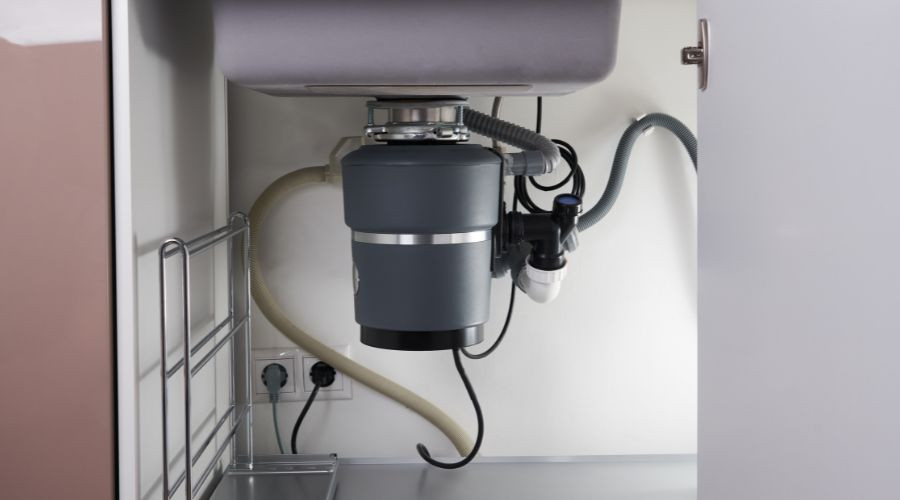
sinkA garbage disposal is designed to handle light food scraps, but many items can damage the unit or cause serious clogs. Never put fibrous materials like celery stalks, corn husks, or onion skins down the disposal, as they can wrap around the blades and jam the motor. Avoid disposing of coffee grounds, eggshells, and pasta, which can create a thick, paste-like substance that clogs drains. Starchy foods such as potato peels, rice, and beans should also be kept out of the disposal, as they expand with water and form a dense mass. Additionally, never put non-food items, grease, oil, or hard materials like bones or fruit pits through the disposal.

Safe items to put down the garbage disposal include small bits of soft food scraps, citrus peels (which help clean and deodorize the unit), small amounts of vegetable scraps cut into smaller pieces, and minimal food particles from dirty dishes. Always run cold water while operating the disposal and for about 15-20 seconds after grinding is complete to help flush food particles through the drain lines. When in doubt about whether something can go down the disposal, it’s better to dispose of it in the trash instead.

Use Cold Water and Ice

sinkCold water is essential for garbage disposal maintenance. It solidifies grease and oil for proper disposal, prevents food from sticking, and ensures efficient grinding. Run cold water for 15 seconds before, during, and 30 seconds after operating the disposal. Grinding ice cubes occasionally acts as a natural cleaning method, scrubbing away food particles and sharpening the blades.

For optimal results, run cold water and ice cubes through the disposal for 30 seconds. The ice scours and cleans the grinding chamber, while the cold water solidifies and flushes away grease. Repeat monthly or more frequently for heavy use. Always use cold water, as hot water can liquefy grease and cause blockages.

Avoid Putting Too Much Down the Disposal at Once

When using a garbage disposal, it’s important to be mindful of both the quantity and size of food waste. Overloading the disposal with too much food waste can strain the motor and cause jams or clogs in the plumbing system. The disposal works most efficiently when processing smaller amounts of food gradually, allowing each portion to be thoroughly ground before adding more.

For optimal performance, break down larger food scraps into smaller, more manageable pieces before feeding them into the disposal. A good rule of thumb is to keep food pieces no larger than 1 inch in size and add them slowly while running cold water. This approach allows the disposal’s grinding mechanism to effectively break down the waste without overwhelming the system. It’s better to feed the disposal in “bites” rather than trying to process everything at once, which will help maintain the unit’s efficiency and extend its lifespan.

For best results, drop a handful of ice cubes into the disposal while running cold water and activate the unit for about 30 seconds. The ice will create a scouring action as it’s crushed, helping to clean the grinding chamber and blades without causing damage to the mechanism. This process can be repeated monthly as part of regular maintenance or more frequently for heavy use. Always use cold water, as hot water can liquefy grease and cause it to redeposit further down in the plumbing system.

About Allore’s Plumbing Services LLC

Allore’s Plumbing Services LLC is a veteran-owned and operated company serving since 1986. They offer emergency plumbing, highly trained technicians, and guaranteed satisfaction. Call them for garbage disposal services in Stuart, FL.

Is Hard Water Harming Your Home? Here’s Why You Might Need a Water Softener

Understanding Hard Water

Water is vital for life and one of our planet’s most versatile substances. However, certain qualities of household water can leave much to be desired. One common issue is hard water, which refers to water with a high concentration of minerals, primarily calcium and magnesium. As water travels through the natural water cycle, it comes into contact with various geological formations, which release these minerals into the water. This process leads to the water being classified as “hard.”

Although municipal water treatment facilities process water to make it safe, they leave these minerals intact since removing them on a large scale can be costly. Fortunately, hardness can be eliminated by installing a water softener

Signs Your Home Has Hard Water

signs of hard waterMost water sources have varying levels of dissolved minerals, which contribute to the overall hardness of the water. This can affect everything from household cleaning to plumbing.

Understanding the hardness of your water source is essential for addressing potential impacts on everyday use and maintenance. Higher mineral levels can create several challenges around the home. Common signs of hard water include:

  • Dry, itchy skin and dull hair.
  • Spots or streaks on dishes and glassware after washing.
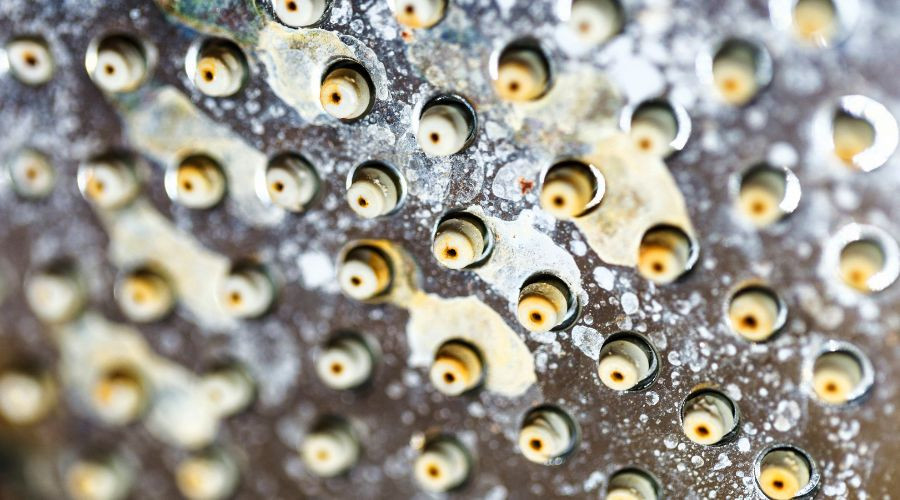
  • Stains and scale buildup on faucets, showerheads, and sinks.
  • Clothes that fade quickly or feel rough after laundering.
  • Frequent plumbing issues like clogged fixtures or reduced water pressure.

How Do Water Softeners Work?

how do water softeners workWater softeners are designed to remove the minerals that cause hard water, making the water more user-friendly. The most common minerals associated with water hardness – calcium and magnesium – are easily filtered out by whole-home water softening systems.

Here’s how it works: water flows over a resin bed inside the softener, where the resin captures the calcium and magnesium ions and exchanges them with sodium ions. Over time, the resin becomes saturated and is cleaned during an automatic regeneration process using a high-sodium brine solution. This process flushes the trapped minerals from the resin, resetting the system. Homeowners just need to periodically top off the salt in the brine tank to keep the system functioning smoothly.

Benefits of Softening Your Home’s Water

For homes dealing with hard water, installing a water softener offers numerous benefits, such as:

  1. Healthier Skin and Hair: Soft water rinses away soap and shampoo more effectively, leaving skin and hair clean, soft, and moisturized.
  2. Spotless Dishes and Bright Clothes: Soft water removes mineral residues that cause dishes to have spots and clothing to be dull and fade quickly.
  3. Extended Appliance Lifespan: Hard water can lead to scale buildup in appliances like water heaters, dishwashers, and washing machines, reducing efficiency and lifespan. Soft water helps these appliances perform better and last longer.
  4. Protected Plumbing: Hard water can lead to mineral deposits building up in pipes, which can cause clogs, corrosion, and poor water pressure. On the other hand, softened water helps keep the plumbing system clear, lowering the chances of expensive repairs later.

About Allore’s Plumbing Services LLC

Allore’s Plumbing Services LLC specializes in improving water quality for homeowners in Stuart, FL. Founded in 1986, they offer fast and reliable plumbing solutions customized to each homeowner’s needs and backed by a 100% satisfaction guarantee. Call them for water softener installation in Stuart, FL

Break These 3 Bad Plumbing Habits This Year

3 Easily Avoided But Often Overlooked Plumbing Mistakes Most Households Make

Taking care of any complex system is often easier than it sounds. With vehicles, this means changing the oil, rotating the tires, and having a professional check them over periodically. The same is true for a home’s plumbing system

Certain things should be done, but a few things shouldn’t be done to avoid major issues down the line. Read on to learn the top 3 easily avoided plumbing mistakes most homeowners make. 

Pouring Chemicals Down the Drain

drain clog Most homeowners know that dangerous chemicals need to be disposed of safely. In keeping with the car analogy, used motor oil is one such chemical. No one would simply pour their old oil down the kitchen sink. 

But what about chemicals supposedly designed to be poured down the drain, such as liquid drain cleaners? Like motor oil, these shouldn’t go down any drain in the house because they can do more harm than good in the long run. 

Chemical drain cleaners are advertised as a quick and easy way to clear drain clogs, but this does not include the major side effects that can result from using them. Most of the time, they don’t clean the pipe—they only clear enough of the clog to get water flowing again, leaving a gunky mess that will clog again soon. 

In addition, they can damage the pipes, causing corrosion and eventual leaks, especially with old or PVC pipes. The dangerous chemicals in these drain cleaners are also extremely harmful to the environment and can leak into the water table. 

Homeowners with drain clogs should contact a professional plumber. A plumber can use methods that clean the entire clog out. Plus, plumbers’ methods, such as hydro-jetting, don’t weaken or damage the pipes. 

Forgetting to Schedule Maintenance

In addition to following some basic good plumbing habits, maintaining a healthy plumbing system should be left to professionals. This is why it is important to remember to schedule once—or twice-yearly plumbing maintenance.

A professional plumbing company will check all major parts of the home’s plumbing during an inspection. This includes checking for signs of premature wear and tear that could indicate an impending problem. 

They also check for unnoticed leaks (such as a constantly running toilet) that add up over time. Finally, the plumber checks appliances such as the water heater and makes any necessary repairs. If needed, the plumber adjusts water pressure and temperature and clears drain clogs during maintenance. 

When a professional checks the plumbing system regularly, it is like changing the oil in a car. This goes a long way toward ensuring the system operates as it should—without any expensive surprises—for many years. 

Putting the Wrong Things in the Pipes

toilet Much like the caustic chemicals in liquid drain cleaners, other items are supposedly safe to go down the drain. The most glaring example of this is “flushable” wipes. 

Despite what their packaging may say, these wipes should never go into the toilet. Not only can they cause a sewer line clog, but they can also cause problems downstream at the wastewater treatment facility. The only thing that should be flushed down the toilet (besides the obvious) is toilet paper. All other products should go in the trash. 

There are also some common misconceptions about what can go down the kitchen drain. Grease should never go down any drain, whether or not a garbage disposal is installed. Grease is often still warm and liquid when poured down the drain, but it soon cools and coagulates, forming a sticky mass that can lead to a clogged sewer line. Similarly, fibrous food items, such as asparagus, artichoke, and celery, should also go into the trash instead of the drain!

Breaking these bad habits can extend the life of the plumbing system. The best thing homeowners can do for their plumbing is schedule regular maintenance services with a professional and trusted plumbing company!

About Allore’s Plumbing Services LLC

Allore’s Plumbing Services LLC has been proudly serving Stuart, FL, since 1986. They have provided prompt, courteous service and excellent workmanship for nearly forty years. Veteran-owned and operated, Allore’s Plumbing Services LLC stands behind its work with a 100% satisfaction guarantee. Contact them today for plumbing maintenance services in Stuart, FL. 

How to Know if Sewer Line Is Clogged

Signs of Sewer Line Clogs 

Plumbing problems are among the most frustrating issues homeowners face. Whether it’s a leaky faucet or a clogged toilet, the repairs are costly and a hassle. Sewer line clogs are another common plumbing problem that can derail a homeowner’s budget and plans. 

Sewer line clogs develop in the main line under the home where all the drains meet. When this line clogs, the consequences can be far-reaching. Spotting the signs of sewer line clogs early can help keep repairs simpler and mitigate the damage they can cause. Here are three signs of sewer line clogs to remind homeowners to stay aware. 

Noisy Draining or Gurgling Noises

sounds Drain and sewer lines are engineered to drain away the waste produced at a plumbing fixture quickly. Upon installation, the pipes are clean and free from any blockages. As the pipes are used, scum and sludge start to form on the walls of the pipes. This is the first stage of sewer line clog formation. 

As time passes, the sludge on the walls of pipes can cause other debris to stick. As this layer builds, the flow through the pipes is interrupted, causing the drain to become loud. All the turbulence introduced into the effluent causes gurgling noises that should be the first sign of a clogged drain. 

If an individual drain starts to suffer, it’s a good bet that the sewer line is in a similar shape. Preventative drain cleaning is recommended to help avoid the second sign of sewer line clogs discussed below. 

Sewage Backups

Once the inside of drain and sewer lines gets fouled to the point that foreign debris is getting lodged in the layer of scum, it is likely that the velocity of effluent flowing through the line will decrease, accelerating the formation of a clog. 

Soon, the pipe will be completely fouled, and the water flow will cease. Sewage will begin to back up into the lowest portions of the system. Most often, sewage backs up into floor drains and bathtubs on the first floor. If the problem is serious, it can also be backed up in toilets and sinks. 

Exposure to sewage is a serious health hazard and shouldn’t be taken lightly. If sewage has backed up into a plumbing fixture, serious problems are evident. Luckily, a quick visit from a plumbing company can remove the clog with drain snaking and clean the pipe with hydrojetting. 

Slow Draining

sinkAs mentioned above, drain and sewer lines are built for expediency. Used water shouldn’t stay in basins or toilets for too long before draining away. Slow draining is the hallmark of a sewer line clog.

If sinks, tubs, and toilets are all draining slowly, it is a sure sign that the sewer line is clogged and needs to be cleaned. Professional plumbers can diagnose the problem and perform sewer line cleaning or sewer line repairs

About Allore’s Plumbing Services LLC

Allore’s Plumbing Services LLC specializes in long-term plumbing solutions. Highly trained technicians with the latest tools and training offer unparalleled service to residential and commercial clients. Call today for a sewer line cleaning service in Stuart, FL

Distribution Links +