

Understanding and Fixing the Banging Sound From Pipes
Homeowners often encounter an unsettling, loud thud or repetitive banging sound emanating from the walls shortly after a faucet is turned off or an appliance finishes its cycle. While these noises might seem like a minor annoyance, they are frequently symptoms of mechanical stress within the plumbing infrastructure. Identifying the root cause of these disruptions is essential for maintaining the longevity of the home’s piping and preventing secondary structural issues.
What Is Water Hammer and Why Does It Happen?
 The technical term for this phenomenon is water hammer, also referred to as hydraulic shock. It represents a pressure surge that occurs when the flow of water is forced to stop or change direction with extreme suddenness. When a valve closes quickly, the kinetic energy of the moving water has nowhere to go, causing a shock wave to ripple back through the system. This energy reflects off the pipe walls and fittings, manifesting as the characteristic banging or “hammering” noise.
Several factors contribute to the development of this condition:
- Quick-Closing Valves: Modern appliances like dishwashers and high-efficiency washing machines utilize solenoid valves that shut off water flow almost instantaneously, which frequently triggers hydraulic shock.
- Excessive Water Pressure: If the water pressure entering a residence is significantly higher than the recommended levels, the force of the moving water increases the intensity of the shock wave upon closure.
- Loose Piping: Pipes that are not properly secured with straps or hangers can shift or vibrate against wall studs and floor joists when a pressure surge occurs, amplifying the sound.
- Clogged Air Chambers: Older plumbing systems often featured vertical pipes called air chambers designed to act as cushions; however, these can eventually fill with water and lose their effectiveness, leaving the system vulnerable to surges.
The Risks of Ignoring Water Hammer
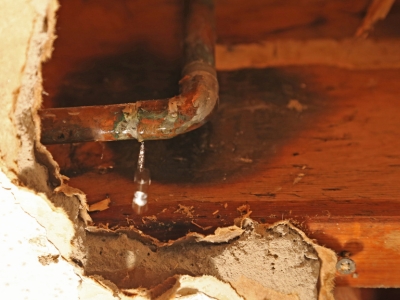 Neglecting the sounds of water hammer can lead to severe consequences for a property’s plumbing integrity. The persistent stress generated by repeated hydraulic shock gradually weakens the structural components of the system. Over time, this force can compromise joints, fittings, and pipe supports, potentially leading to pinhole leaks or catastrophic pipe bursts.
Beyond the pipes themselves, the sudden pressure spikes can damage sensitive internal components of water-using appliances, shortening their lifespan and necessitating premature repairs. Ultimately, a failure in the piping system can lead to extensive water damage within the home, resulting in costly remediation and restoration efforts for flooring, drywall, and personal belongings.
Common Fixes for Water Hammer
Because plumbing systems are complex and interconnected, the most effective way to address these noises is to consult a licensed professional. An expert plumber can accurately diagnose the specific cause of the water hammer and implement a solution tailored to the home’s unique layout and needs.
Common professional solutions include:
- Installing Water Hammer Arrestors: These specialized devices contain a spring-loaded piston or a gas-filled bladder that acts as a shock absorber. Plumbers typically install water hammer arrestors near the valves of noisy appliances to dissipate the energy of the surge before it travels through the rest of the system.
- Managing Water Pressure: A professional can measure the home’s incoming pressure and, if it is too high, install or replace a failing water pressure regulator. Keeping the water pressure within a safe range (typically between 40 and 60 psi) significantly reduces the likelihood of noise and pipe fatigue.
- Securing the Infrastructure: Ensuring that all accessible pipes are firmly anchored to the building’s frame with modern, padded plumbing straps can eliminate the physical movement that causes banging noises.
About Allore’s Plumbing Services LLC
Allore’s Plumbing Services LLC is a veteran-owned plumbing company serving the Stuart, FL area for over 30 years. They offer highly trained technicians, emergency plumbing assistance, and 100% satisfaction guarantee. Call for plumbing services in Stuart, FL.
)
Distribution Links +
- https://go.chinesewire.com
- https://smb.bogalusadailynews.com
- https://smb.orangeleader.com
- https://smb.panews.com
- https://smb.picayuneitem.com
- https://smb.lobservateur.com
- https://smb.americustimesrecorder.com
- https://smb.amnews.com
- https://smb.americanpress.com
- https://smb.oxfordeagle.com
- https://smb.bluegrasslive.com
- https://smb.claiborneprogress.net
- https://smb.elizabethton.com
- https://smb.jessaminejournal.com
- https://smb.kenbridgevictoriadispatch.com
- https://smb.thesnaponline.com
- https://smb.clemmonscourier.net
- https://smb.harlandaily.com
- https://smb.irontontribune.com
- https://smb.ourdavie.com
- https://smb.state-journal.com
- https://smb.tryondailybulletin.com
- https://smb.farmvilleherald.com
- https://smb.cordeledispatch.com
- https://smb.middlesboronews.com
- https://pr.washingtoncitypaper.com
- https://smb.theleesvilleleader.com
- https://smb.beauregardnews.com
- https://pr.hattiesburg.com
- https://pr.thembnews.com
- https://pr.timesofsandiego.com
- https://pr.chestercounty.com
- https://pr.wncbusiness.com
- https://pr.franklintownnews.com
- https://pr.hollistontownnews.com
- https://pr.hopedaletownnews.com
- https://pr.naticktownnews.com
- https://pr.millismedwaynews.com
- https://pr.norfolkwrenthamnews.com
- https://pr.norwoodtownnews.com
- https://pr.rivertonjournal.com
- https://pr.columbiabusinessmonthly.com
- https://pr.herrimanjournal.com
- https://pr.midvalejournal.com
- https://pr.southjordanjournal.com
- https://pr.valleyjournals.com
- https://pr.cottonwoodheightsjournal.com

 Hidden water leaks are among the most common and costly sources of wasted water in a home, and many go undetected for months simply because the signs are not visible without a professional inspection.
 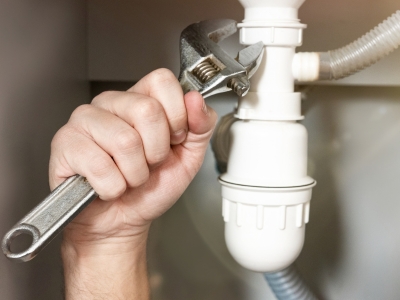 Every plumbing system carries the potential for minor issues to quietly develop beneath the surface, and without professional attention, those issues rarely stay minor for long. During a routine maintenance visit, a trained plumber can identify early warning signs like small leaks, corrosion beginning to form, or pressure irregularities that would otherwise go unnoticed until they escalate into a full plumbing emergency. Catching those problems at the earliest stage makes the repair far simpler, far less disruptive, and far less expensive than addressing the same issue after it has had time to worsen.
)
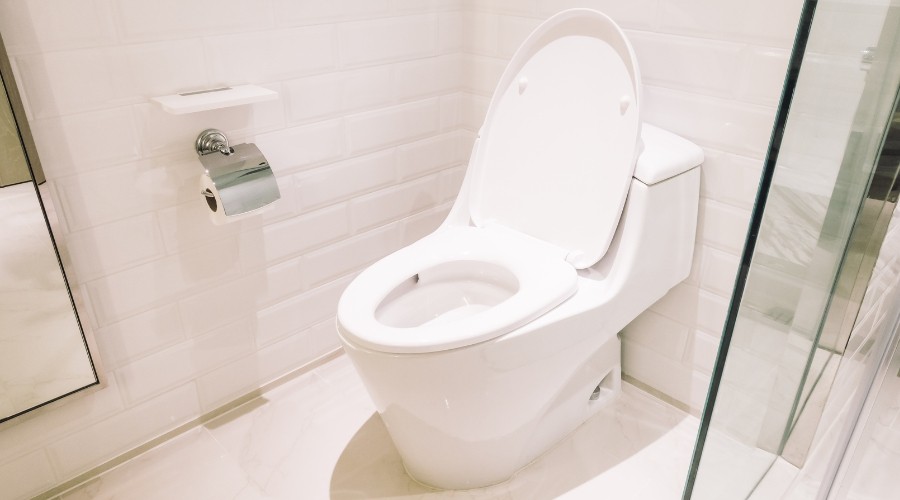
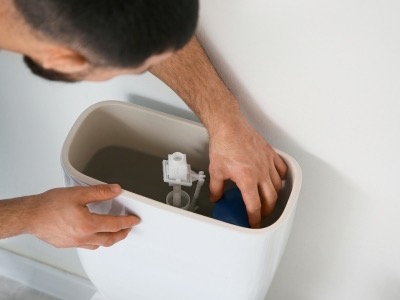 A toilet that runs without stopping long after the flush cycle ends is a quiet but persistent sign that something inside the tank has worn out or failed, and leaving it unaddressed only drives up water bills with every passing day. Visible leaks around the base of the toilet or seeping from the tank point indicate seal failures or cracks that will not resolve on their own without professional intervention. Frequent clogs, weak flushes that struggle to clear the bowl, and incomplete flushes that require a second attempt are all patterns that signal the toilet is no longer performing the way it should.
 Preventing a
 )

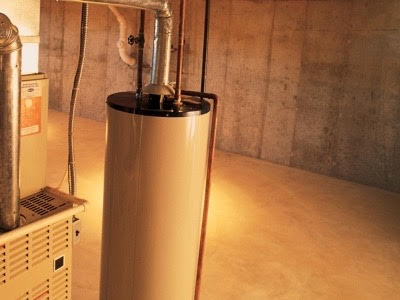 Warm water arrives quickly with a gas water heater, creating a sense of readiness that supports busy households and demanding schedules. Lower operating costs often follow, especially in areas where natural gas prices remain favorable, allowing long-term savings to unfold over years of consistent use. Strong recovery rates ensure steady hot water even during peak demand, making this option appealing for larger properties.
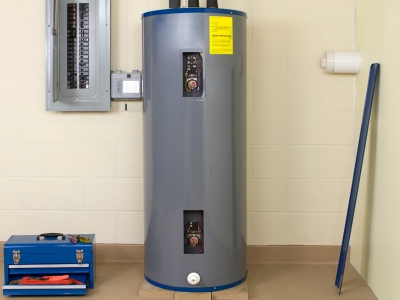 A different story unfolds with electric water heaters, where simplicity and accessibility define the experience from installation to daily operation. Lower upfront
 )
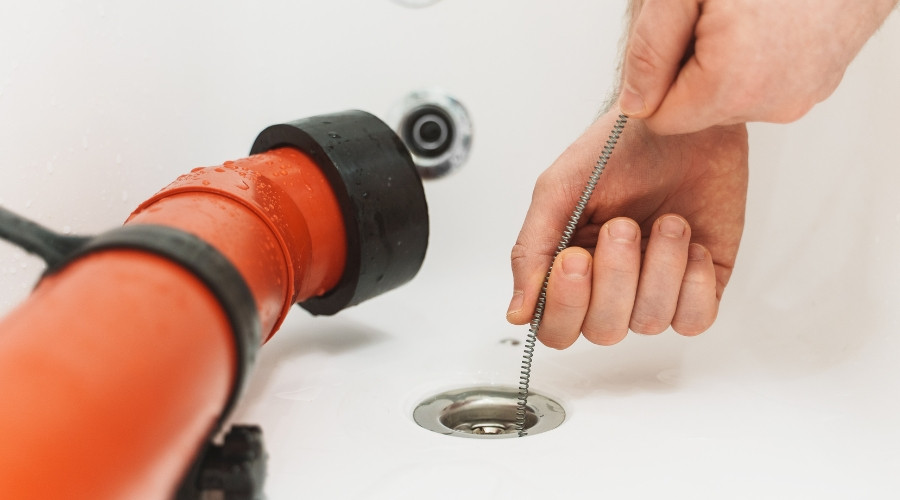
 Water and air should move smoothly through a sewer line. When a blockage forms, trapped air pushes back through the plumbing and produces gurgling sounds in sinks, tubs, or toilets. If that noise is limited to a single fixture, a nearby drain line clog is often the likely cause. When several fixtures gurgle, especially after large discharges like laundry cycles, the issue may involve a clogged sewer line deeper in the system.
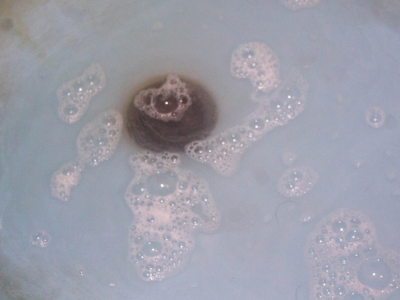 Slowly emptying sinks, tubs, and showers are easy to overlook, but they frequently mark the beginning of more serious problems. Standing water in a single fixture commonly indicates a partially clogged drain line at or near that location, often caused by hair, soap scum, or grease. If left untreated, that partial blockage can harden and close the pipe almost completely.
)
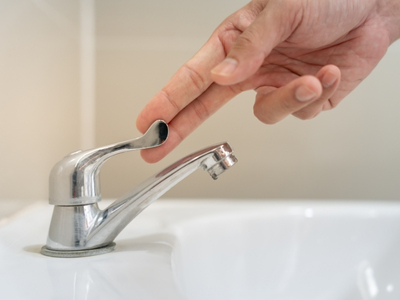 Morning routines often begin with running water, yet small pauses make a big difference. Turning off the water while brushing or shaving reduces unnecessary flow. Choosing a water-efficient dishwasher instead of washing dishes by hand also lowers daily water consumption.
 Many properties still rely on outdated plumbing fixtures that use more water than necessary. Modern showerheads, toilets, and faucets are designed to limit flow while maintaining reliable pressure. These upgrades quietly improve efficiency throughout the home.
)
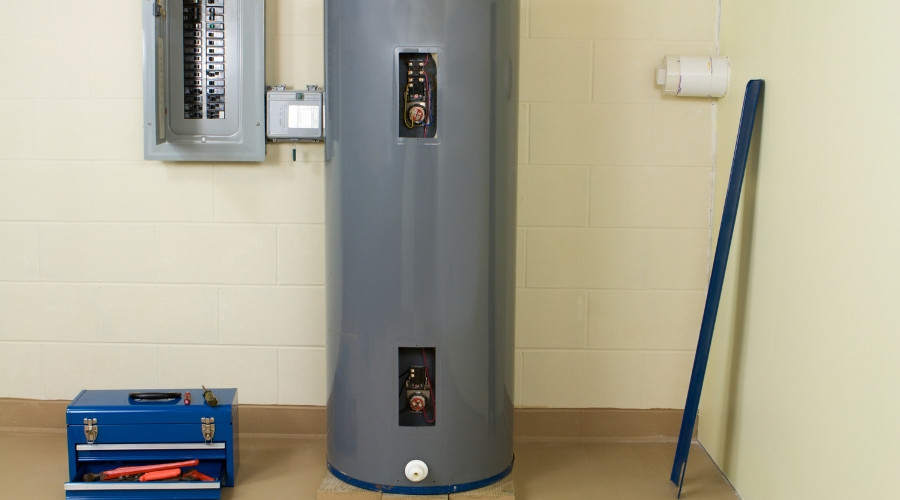
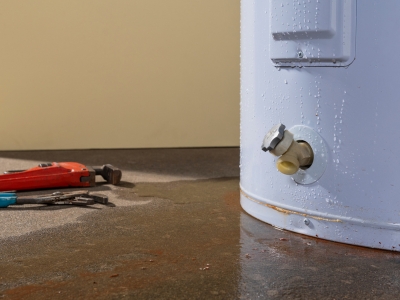 Visible deterioration around the tank strongly indicates that a unit is nearing the end of its life. Water heater corrosion often appears as rust spots, flaking metal, blistered paint, or damp insulation. At fixtures, discolored or rust‑tinted hot water, or water with a metallic odor, can also point to a corroded water heater.
 Traditional storage‑tank water heaters have a
 )
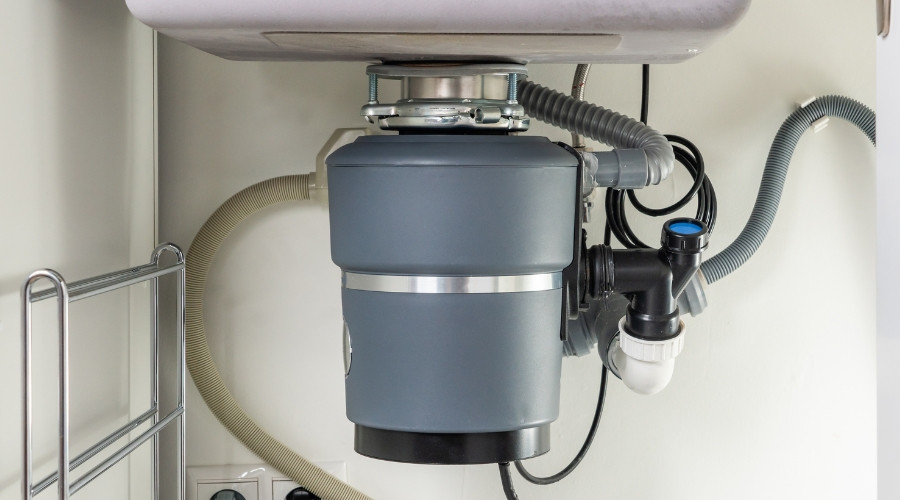
 The easiest way to prevent a clogged garbage disposal is to control what enters it. Certain foods and materials are notorious for causing jams, damaging internal components, or contributing to a clogged sewer line. Grease, fats, and cooking oils should never be poured into a
  Water temperature and flow are just as important as food selection for disposal health. Running cold water before, during, and for several seconds after using the garbage disposal helps flush ground particles through the drain system. Cold water keeps any residual fat in a more solid state, allowing the disposal to break it into tiny pieces rather than letting it melt and coat the pipe walls.
)

 Flushing inappropriate items is one of the leading causes of a clogged toilet. Ensuring that only suitable materials go down the toilet can significantly reduce the risk of clogs.
 Even toilet paper, if used excessively, can contribute to a toilet clog. Using too much toilet paper in one flushing can overwhelm the plumbing. Moderation is key to maintaining a smoothly functioning toilet. Homeowners should aim to use only what is necessary for cleanliness.
)

 Identifying signs of hard water early on can help homeowners take necessary steps to address the problem through a water softener system. Here are common indicators suggesting the need for water softening:
 Installing a whole home water softener delivers numerous benefits beyond solving problems caused by hard water. Here’s why homeowners choose water softener installation:
)