How to Choose Between an Electric and Gas Water Heater

Pros and Cons of Common Water Heater Fuel Sources

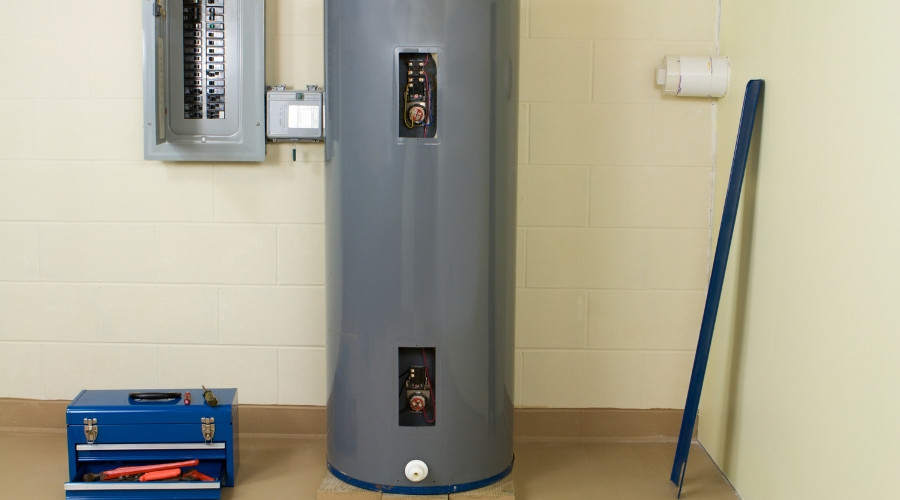
A quiet morning often begins with the turn of a faucet, where heated water signals comfort and routine, yet behind that simple moment lies a choice that shapes efficiency, cost, and long-term reliability. Every property carries unique water heater demands, from household size to energy availability, and each factor nudges the decision toward either gas or electric solutions. Understanding the strengths and limitations of each fuel source allows a clearer path toward a system that aligns with both performance expectations and practical constraints.

Gas Water Heater

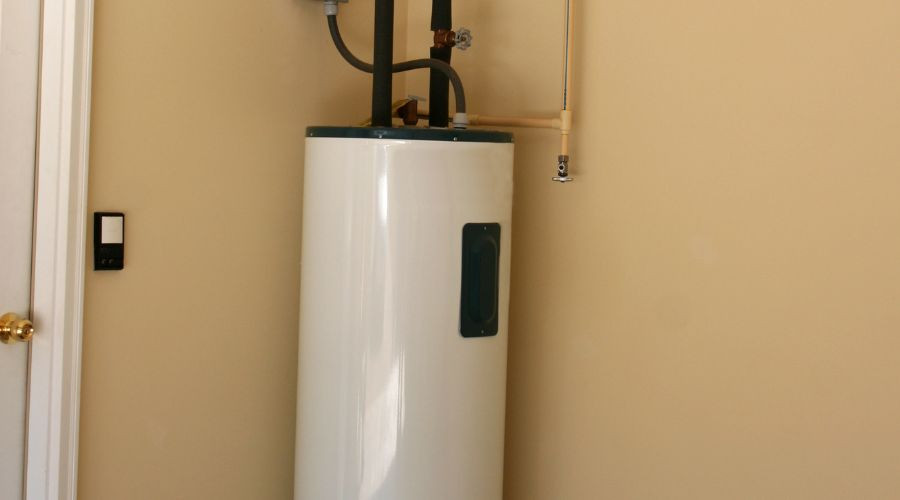
water heater Warm water arrives quickly with a gas water heater, creating a sense of readiness that supports busy households and demanding schedules. Lower operating costs often follow, especially in areas where natural gas prices remain favorable, allowing long-term savings to unfold over years of consistent use. Strong recovery rates ensure steady hot water even during peak demand, making this option appealing for larger properties.
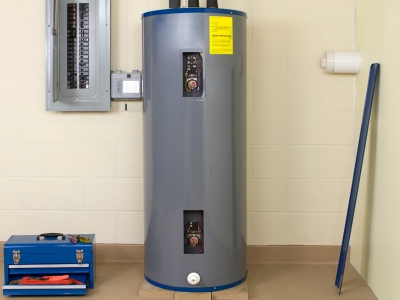
However, installation introduces complexity that requires careful planning and professional execution. Proper venting systems must safely direct combustion gases outside, while secure gas hookups demand precision and adherence to safety standards. Increased safety risks from combustion and potential gas leaks require ongoing maintenance and vigilance.

Despite these concerns, reliability during power interruptions offers a compelling advantage in areas prone to outages. Continuous operation without reliance on electricity keeps essential routines uninterrupted. For many properties, this balance between efficiency and responsibility shapes the appeal of gas-powered systems.

Electric Water Heater

water heater A different story unfolds with electric water heaters, where simplicity and accessibility define the experience from installation to daily operation. Lower upfront installation costs create an inviting entry point, especially for properties without existing gas infrastructure. A safer design eliminates combustion concerns, reducing risks associated with gas leaks or ventilation requirements.

Operating costs, however, tend to rise over time due to electricity prices, gradually influencing long-term budgeting. Slower heating cycles may become noticeable during periods of high demand, particularly in larger households. Power outages bring operations to a complete halt, leaving no access to hot water until electricity returns.

Still, a quiet, compact design allows for flexible placement within a property, offering convenience in tight spaces. Minimal maintenance requirements simplify ownership, allowing consistent performance with fewer service interruptions. For safety-focused environments, this option often delivers peace of mind alongside dependable functionality.

Factors to Consider Before Installation

Every property tells a different story, shaped by energy access, safety priorities, and daily water usage patterns. Frequent power outages often point toward gas water heaters as a reliable solution, ensuring uninterrupted hot water when electricity becomes unavailable. Existing gas lines also influence feasibility, as proper hookups remain essential for safe and effective operation.

Safety concerns often guide decisions in another direction, where electric systems provide reassurance through reduced risk exposure. Absence of combustion and gas eliminates many hazards, creating a more controlled environment for households focused on security. The simplicity of installation further supports this choice, particularly in areas without gas infrastructure.

Long-term cost considerations, household size, and maintenance expectations weave together into a final decision that balances practicality and performance. Each factor builds upon the next, forming a complete picture that leads toward the most suitable system. Professional guidance ensures that every detail aligns with efficiency goals and safety standards, setting the stage for reliable hot water every day.

About Allore’s Plumbing Services LLC

Allore’s Plumbing Services LLC is a veteran-owned and operated plumbing solutions company serving Stuart, FL, and beyond. They offer emergency plumbing assistance, highly trained technicians, and 100% satisfaction guaranteed. Call them today for water heater installation and repair in Stuart, FL.

How To Cut Down on Monthly Water Expenses

Easy Ways to Save Money and Reduce Water Use

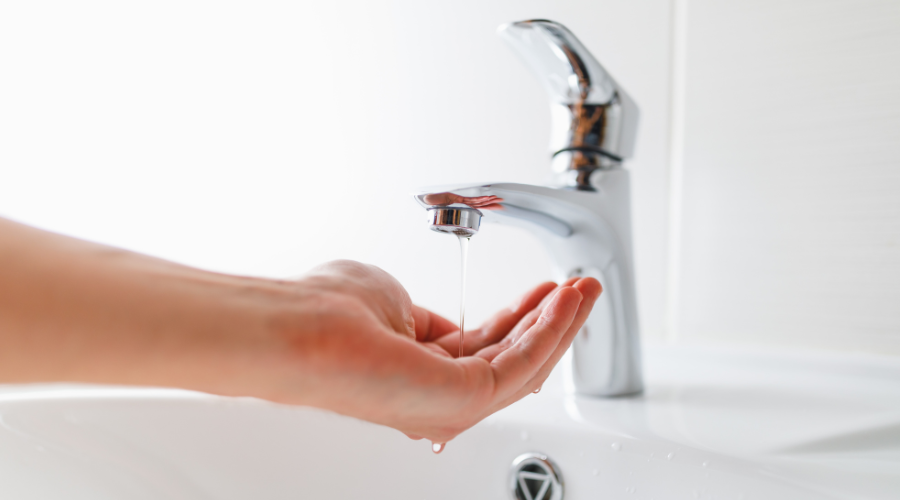
Water bills often tell a story long before any numbers feel alarming. Daily routines, aging plumbing, and unnoticed leaks quietly shape overall water usage. A few mindful changes can rewrite that story into one of savings and efficiency.

Water Saving Habits

shower head Morning routines often begin with running water, yet small pauses make a big difference. Turning off the water while brushing or shaving reduces unnecessary flow. Choosing a water-efficient dishwasher instead of washing dishes by hand also lowers daily water consumption.

Outdoor habits contribute just as much to overall usage. Watering lawns during cooler parts of the day allows moisture to reach roots instead of evaporating. This timing supports healthier landscaping with less waste.

Consistent habits slowly reshape water use patterns. Conservation becomes second nature rather than a chore. Over time, lower water bills reflect those steady efforts.

Invest in Water-Saving Fixtures

shower head Many properties still rely on outdated plumbing fixtures that use more water than necessary. Modern showerheads, toilets, and faucets are designed to limit flow while maintaining reliable pressure. These upgrades quietly improve efficiency throughout the home.

Advanced fixture designs focus on performance as well as conservation. Strong water flow remains consistent without excess usage. Savings accumulate without sacrificing comfort.

Installing water-saving fixtures also supports long-term plumbing health. Reduced strain extends the lifespan of pipes and components. Efficient systems create dependable performance year after year.

Fix Leaks

Water leaks often reveal themselves through subtle signs like unexplained increases in water bills or damp areas near fixtures. Dripping faucets and running toilets signal hidden water loss. Addressing these issues early prevents ongoing waste.

Some leaks remain hidden behind walls or beneath floors. Professional leak detection tools pinpoint the source with accuracy. Prompt repair stops damage before larger problems develop.

Reliable support ensures balance to plumbing systems through timely repairs. Emergency plumbing services resolve urgent leaks before costs rise further. Healthy plumbing systems rely on smart habits and professional care.

Contact Allore’s Plumbing Services LLC

Allore’s Plumbing Services LLC is a reliable plumbing expert serving Stuart, FL, and beyond. They offer highly trained technicians, specialized plumbing, and long-term solutions. Call them today for emergency plumbing services in Stuart, FL.

Distribution Links +

Hot Water Headaches: Clear Signals a Water Heater Needs Replacing

Don’t Get Stuck Without Hot Water This Winter

Reliable hot water keeps showers comfortable, dishes clean, and laundry cycles running smoothly. When a water heater starts to fail, small annoyances can quickly turn into cold‑water surprises or even property damage. This guide explains three major categories of warning signs—temperature issues, leaks or corrosion, and age or frequent repairs—that often point toward water heater replacement rather than another short‑term fix.

Temperature Issues

Changes in water temperature are usually the first hint that water heating equipment is struggling. Taps that swing from hot to lukewarm and back again, without adjusting the handle, suggest trouble inside the tank. Faulty thermostats, worn heating elements, or heavy sediment buildup can all lead to inconsistent or uneven water temperatures.

A complete lack of hot water often means a major component failure. When the burner, igniter, or control system stops working, the unit can no longer perform basic water heating duties. Another red flag is running out of hot water far faster than before, even though usage patterns remain the same. Sediment taking up space inside the tank, or only one element operating in an electric unit, can sharply reduce capacity. When these temperature problems persist, planning for water heater replacement usually makes more sense than repeated minor repairs.

Leaks or Corrosion

water heater Visible deterioration around the tank strongly indicates that a unit is nearing the end of its life. Water heater corrosion often appears as rust spots, flaking metal, blistered paint, or damp insulation. At fixtures, discolored or rust‑tinted hot water, or water with a metallic odor, can also point to a corroded water heater.

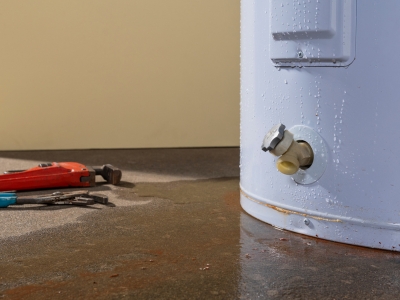
Once corrosion penetrates the tank wall, a water heater leak almost always follows. A leaking water heater may leave puddles at the base, stained flooring, or moisture on nearby walls and stored items. Because internal rust cannot be reversed, a corroded shell will continue to weaken over time. Replacing a severely corroded or leaking unit promptly helps prevent structural damage, mold growth, and the risk of a sudden tank rupture.

Old Age or Frequent Repairs

water heater Traditional storage‑tank water heaters have a limited working life. When a standard unit passes the ten‑year mark, internal components wear down, efficiency drops, and new issues tend to appear more often. Symptoms such as rumbling or popping noises, cloudy hot water, or recurring ignition and pilot problems are common on aging systems.

Frequent breakdowns are another strong clue that it is time to consider new water heater installation. If repair visits have become routine, or if a single repair estimate approaches the cost of a new unit, replacement usually offers better long‑term value. A timely upgrade allows correct sizing for current hot water needs and provides more dependable water heating day after day, with fewer unexpected cold showers and emergency calls.

About Allore’s Plumbing Services LLC

Allore’s Plumbing Services LLC is an award-winning, veteran-owned
and operated plumbing company proudly serving Stuart and the neighboring communities since 1986. Their highly trained technicians offer prompt, knowledgeable service, ensuring customer satisfaction. Call them today for water heater repair and installation in Stuart, FL.

Water softener system in operation, dispensing salt into the reservoir, showcasing features like control panel and plumbing connections.

Do Homeowners Need a Water Softener Installation?

Signs of Hard Water and Water Softeners Explained

Many households face daily challenges posed by hard water. Understanding the signs of hard water and how a water softener can address these issues is essential for maintaining a comfortable and efficient home environment.

Signs Indicating Hard Water

Woman with dry, tangled hair looking concerned, illustrating the effects of hard water on hair and skin.Identifying signs of hard water early on can help homeowners take necessary steps to address the problem through a water softener system. Here are common indicators suggesting the need for water softening:

  • Dry Hair and Skin: Hard water often strips the skin and hair of their essential natural oils, leading to dryness, itching, and a lackluster appearance. If common moisturizers and conditioners don’t alleviate these issues, hard water may be the underlying cause.
  • Spotted Dishes: After dishes are washed, they often appear spotted or cloudy due to the dissolved minerals present in hard water. Without a water softening system, it becomes consistently challenging to achieve totally clean dishes.
  • Stains and Deposits on Fixtures: Faucet stains and chalky deposits are common in homes with hard water. These mineral deposits can be stubborn to clean and detract from the aesthetic appeal of bathroom and kitchen fixtures.
  • Faded Laundry: Clothing washed repeatedly in hard water can lose its vibrant color and feel stiff. Minerals in hard water adhere to fabrics, reducing the efficiency of detergents and affecting the quality of the fabric.
  • Scale Buildup in Pipes and Fixtures: Over time, mineral scale from hard water accumulates within pipes and fixtures, leading to clogs and reduced water pressure, and possibly resulting in costly plumbing repairs.

Noticing these signs can motivate homeowners to consider a water softener installation, preventing further inconvenience and damage.

How Does a Water Softener Work?

A water softener system is designed to transform hard water into soft water by removing undesirable minerals. 

Hard water enters the water softening system and encounters resin beads charged with sodium ions. In this process, calcium and magnesium ions in the water are exchanged with sodium ions, effectively eliminating the minerals that cause water hardness.

With continued usage, the resin beads expend their supply of sodium ions. The water softener system subsequently undergoes a regeneration cycle, replenishing the beads with sodium ions via a saltwater brine solution, preparing them for ongoing ion exchange.

By installing a water softener system, homeowners can effectively eliminate the adverse effects of hard water, thereby enhancing both the quality of their water and the efficiency of their household.

Benefits of Whole Home Water Softeners

Piggy bank being held by a person, symbolizing savings and financial planning related to investing in a whole home water softener system.Installing a whole home water softener delivers numerous benefits beyond solving problems caused by hard water. Here’s why homeowners choose water softener installation:

  • Reduced Wear and Tear: Consistent use of a whole house water softener protects pipes and fixtures from damage by preventing scale buildup, thereby prolonging their lifespan and reducing repair needs.
  • Easy Cleaning: With softened water, the effort and time spent scrubbing mineral deposits from sinks and showers diminish significantly, allowing for cleaner surfaces with less hassle.
  • Preserved Laundry Colors: Fabrics maintain their vibrant color longer as softened water minimizes the fading and stiffening caused by hard water minerals.
  • Hydrated Hair and Skin: Softened water helps retain the moisture in skin and hair, preventing the dryness often exacerbated by hard water.
  • Spotless Dishes: Dishes come clean more easily and remain spot-free, enhancing their appearance and hygiene due to reduced mineral deposits.
  • Cost Savings and Appliance Efficiency: By extending the life of appliances and plumbing fixtures, and boosting water heater efficiency, a water softening system results in lower utility bills and fewer replacements.

Hard water presents numerous inconveniences and challenges, but a water softener installation provides a long-term solution. The benefits of soft water extend throughout the entire home—from safeguarding pipes and fixtures to enhancing personal care and cleanliness.

About Allore’s Plumbing Services LLC

Allore’s Plumbing Services LLC provides specialized plumbing and remodeling services in Stuart, Palm City, Jensen Beach, and the surrounding areas. As a veteran-owned company, they provide quality services with 100% satisfaction guaranteed. Call now for water softener installations in Stuart, FL.

Distribution Links +

Tankless water heater installation with digital display and plumbing connections, showcasing energy-efficient hot water solution relevant to Allore's Plumbing Services.

Ultimate Guide for Tankless Water Heaters

Why Install a Tankless Water Heater?

Tankless water heaters offer a dependable solution for uninterrupted hot water and reduced energy costs. These systems efficiently supply hot water as needed, avoiding the delays and inefficiencies of traditional models. By switching to an on-demand system, utility expenses can be significantly lowered over time.

Such water heaters also support a more comfortable living environment by eliminating the inconvenience of running out of hot water. For those seeking modern, energy-saving home upgrades, tankless systems provide both functionality and peace of mind.

What Is a Tankless Water Heater and How Does It Work?

A tankless water heater heats water directly as it flows through the unit, making a storage tank unnecessary. Traditional systems maintain a large reserve of heated water, but this approach wastes energy by constantly reheating the supply. In contrast, tankless units heat only when hot water is needed.

These systems use high-powered burners or electric elements to instantly raise water temperature. While there might be a brief delay in delivery compared to stored water systems, the supply remains continuous during use. According to the U.S. Department of Energy, these units can be 24–34% more energy efficient in households using 41 gallons or less of hot water daily.

Benefits of Installing a Tankless Water Heater

Showerhead dispensing a steady flow of water, illustrating the continuous hot water supply benefits of tankless water heaters.Installing a tankless water heater can reduce monthly utility bills by up to 30%, thanks to its on-demand heating design. By eliminating the need to keep water warm throughout the day, these systems minimize standby energy losses common in conventional units.

Another major advantage is the continuous supply of hot water, even during multiple consecutive showers or high-demand periods. Compact, wall-mounted construction saves significant floor space and creates new opportunities for organizing utility rooms. According to the Department of Energy, tankless water heaters typically last 20–25 years, offering a longer service life than traditional storage models.

Signs It’s Time to Replace an Old Water Heater

Faucet pouring discolored water into a sink, indicating potential issues with an aging water heater.A declining water heater often provides clear indicators before complete failure. Inconsistent temperatures, strange noises, and discoloration in water can suggest internal wear, such as sediment buildup or corrosion. Ignoring these symptoms can lead to sudden breakdowns and water damage.

Visible leaks or moisture at the base often indicate tank failure, while rising energy bills without increased usage may signal reduced efficiency. Repair costs that approach or exceed half the cost of a replacement unit suggest it’s more practical to invest in a new system.

The replacement of an aging unit presents the perfect opportunity to upgrade to tankless technology. Homes with systems older than 8–12 years benefit most from the improved performance and efficiency offered by modern designs. Space limitations are also addressed by the compact form of wall-mounted units.

Older homes often see the greatest improvements in energy usage and space savings after switching. The tankless models can lower water heating costs and can deliver long-term savings that help offset the initial investment. This change supports a more sustainable and cost-effective home environment.

Call Allore’s Plumbing Services LLC

For more than 30 years, Allore’s Plumbing Services LLC has been a reliable plumbing service in Stuart, Palm City, Jensen Beach, and the surrounding areas on the Treasure Coast. They offer emergency plumbing assistance, highly trained technicians, and a 100% satisfaction guarantee. Call them for quality tankless water heater services in Stuart, FL.

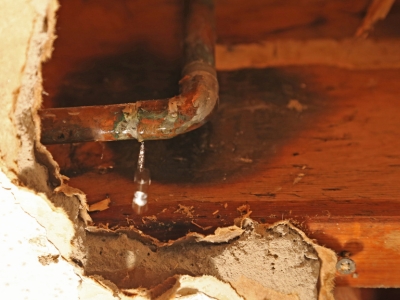
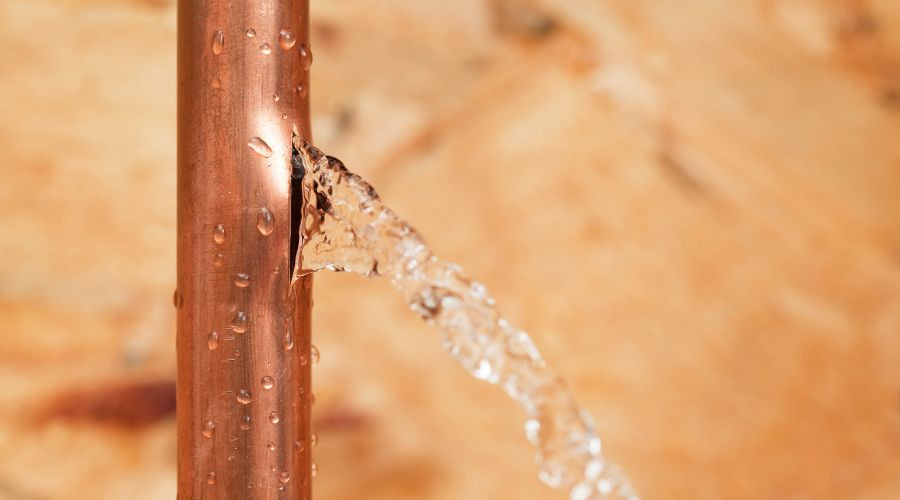
Copper pipe with visible water leak and droplets, highlighting signs of plumbing issues related to water leaks and potential damage.

Straightforward Ways to Identify a Water Leak

Signs of Water Leaks

Water leaks often remain unnoticed until significant damage has already occurred. Identifying common signs early helps prevent costly water leak repairs and long-term structural issues. With the right steps, even hidden leaks can be located before causing extensive damage.

Various methods exist to detect leaks before they worsen. Physical signs, increased utility costs, and meter readings provide useful information when investigating possible water intrusion. Regular monitoring of these indicators contributes to early detection and faster resolution.

High Water Bills

An unexpectedly high water bill often signals a hidden leak within the plumbing system. Usage increases of 25% or more, without changes in daily routines, usually indicate an ongoing issue. Most households maintain stable water usage from one month to the next.

The Environmental Protection Agency reports that nearly one trillion gallons of water are wasted annually due to household leaks. Reviewing current charges alongside past bills from the same season allows for more accurate comparisons. Even a small monthly increase adds up significantly over time.

Addressing sudden spikes in usage helps prevent larger plumbing emergencies. Water escaping through damaged pipes can move quickly through walls and floors. Taking immediate steps limits the spread of moisture and reduces the cost of future repairs.

Other Signs of a Leak

Showerhead with water flowing, illustrating potential signs of plumbing leaks and increased water usage.Discoloration or stains on ceilings and walls often point to a concealed leak. Unusual moisture patterns near ceilings, walls, or floors typically result from failing pipes behind surfaces. Insurance statistics show that water-related claims account for a significant percentage of home damage reports.

Audible signs also suggest leaks may be present. The sound of running water with all fixtures turned off, or noticeably reduced water pressure, often indicates water escaping through a damaged area. These symptoms often appear before any physical damage becomes visible.

Mold growth and musty odors in unlikely places may result from ongoing water exposure. Warped flooring, dark spots on walls, or peeling paint near plumbing fixtures further confirm the presence of moisture. Soft or sunken flooring near bathrooms and kitchens signals potential long-term water infiltration.

Use the Water Meter

Water meter with visible dial and reading, used for detecting hidden leaks in plumbing systems, relevant to plumbing maintenance and leak detection.A standard water meter can confirm whether water is being lost through undetected leaks. This method requires no visible signs and offers a reliable check using basic steps.

The process begins by locating the meter, often found near the edge of a property. After recording the current numbers, all water-using appliances and fixtures should remain off for one to two hours. If the reading changes during this time, a leak is likely present within the system.

Some meters include a small indicator that spins when water flows, which offers a quick visual cue. Movement from this dial while all systems are off confirms continuous water loss. The EPA highlights this method as one of the most effective for identifying hidden leaks in homes.

Visible moisture damage or abnormal water usage often signals the need for expert evaluation. Addressing these concerns early helps avoid thousands of dollars in future repairs. Licensed plumbers use specialized tools to locate leak sources and prevent escalation.

Attempting to repair leaks without professional experience may worsen the problem. Complex issues such as slab leaks or mainline failures require trained technicians who follow code and understand the local regulations. Proper assessment ensures the correct solution from the start.

Professional leak detection usually ranges from $150 to $400, while untreated water damage can lead to restoration costs exceeding $8,000. Many companies also provide emergency service within hours, which minimizes further structural harm. Work performed by licensed professionals typically includes warranties for added protection and long-term peace of mind.

Call Allore’s Plumbing Services LLC

Allore’s Plumbing Services LLC is a veteran-owned and operated plumbing company serving throughout the Treasure Coast, including Stuart, Palm City, Jensen Beach, and the surrounding areas. They offer highly trained technicians and a 100% satisfaction guarantee. Call them for burst pipe repair in Stuart, FL.

common causes of low water pressure, 2fbhg2pyydiz8reorldacyldgmz4ruclb3aa5m9i

Common Causes of Low Water Pressure

What Causes Poor Water Pressure?

Poor water pressure is a common problem that can make simple tasks like showering or washing dishes a challenge. To regain consistent and optimal water flow, it is important to identify the underlying reasons for low water pressure. Various factors can contribute to this issue, each with its own solutions.

Faulty Fixtures or Closed Valves

Showerhead with water flowing, illustrating potential causes of low water pressure from faulty fixtures or clogs.A key area to investigate when experiencing low water pressure is the condition of fixtures and the status of water valves in the home.

When low water pressure is limited to a single fixture, such as a faucet or showerhead, it often indicates a problem with that specific component. Clogs from mineral deposits or debris can restrict water flow. In such cases, cleaning or replacing the fixture can restore proper pressure. For instance, low water pressure in the shower may be due to a clogged showerhead, typically resolved by soaking the fixture in a cleaning solution to remove limescale buildup.

Suppose poor water pressure affects multiple areas of the home. In that case, it may be because a valve, such as the main water shutoff valve or the water meter valve, is partially closed or not fully operational. Checking these valves and ensuring they are fully open can often resolve widespread pressure issues.

Addressing these common culprits can significantly improve water pressure and ensure all fixtures function smoothly.

Water Leaks

Water leak from damaged pipe in muddy ground, illustrating common cause of low water pressure in plumbing systems.Another frequent reason behind low water pressure is the presence of leaks within the water system, which diverts needed water flow.

A leak in the water lines can lead to significant drops in water pressure across various fixtures in the house. Whether due to damaged pipes or loose connections, leaks reduce the volume of water reaching its intended destination, resulting in noticeable pressure loss.

Identifying and promptly repairing water leaks is crucial in restoring optimal water pressure. Professional plumbers can use specialized equipment to detect hidden leaks and perform necessary repairs, which not only improve water pressure but also help prevent water damage and unnecessary water waste.

In summary, addressing leaks is essential in mitigating low water pressure and ensuring efficient water usage in the home.

Clogs and Buildup

Clogs and buildup within water lines are common causes of reduced water pressure that require maintenance to prevent costly issues.

Over time, water lines can develop clogs due to mineral deposits, particularly in areas with hard water, or due to debris restricting flow. Older and corroded water pipes are especially susceptible to forming obstructions. These issues can progressively worsen, leading to severely restricted water flow.

Regular maintenance, such as flushing the system or using a water softener, can prevent mineral buildup. In more severe cases, it may be necessary to replace sections of old piping or use professional plumbing services to clear the lines.

By proactively managing clogs and buildup, homeowners can maintain consistent water pressure and extend the lifespan of their plumbing system.

About Allore’s Plumbing Services LLC

Allore’s Plumbing Services LLC is a veteran-owned and operated plumbing company serving Stuart, FL, and beyond. They offer emergency plumbing, highly-trained technicians, and a 100% satisfaction guarantee. Call them for water softener installation in Stuart, FL.

Distribution Links +

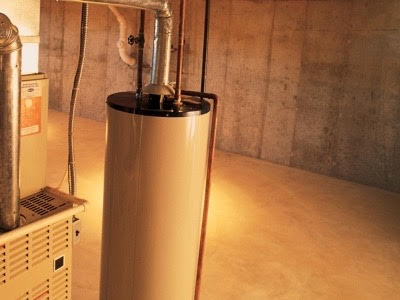
Water heater with pipes and valves, installed against a beige wall by Allore's Plumbing Services LLC.

A Guide to Water Heater Replacement

Important Water Heater Replacement Basics to Know

Water heater replacement can become a stressful task, especially when left with chilly showers and unexpected expenses. This guide offers clear, expert steps for repairing and upgrading a hot water system quickly. Proven tips help save time and money, removing stress and restoring comfort. Explore ways to enjoy a warm, reliable home every day.

Signs to Replace a Water Heater

Discolored water flowing into a sink, indicating potential water heater corrosion, relevant to water heater replacement guidance.A water heater operates quietly—until it fails. Recognizing indicators that suggest a need for water heater replacement can prevent cold showers and potential water damage. Many fail to notice these critical signs until problems escalate.

Rusty or discolored water often serves as a visible red flag. Brown, yellow, or reddish hot water typically indicates internal tank corrosion. A metallic odor accompanying discoloration further confirms deterioration. Hot water should remain clear and tasteless. Over time, tank water heaters naturally corrode, especially after depletion of the sacrificial anode rod.

Age is another reliable predictor. Most conventional water heaters function optimally for 8–12 years. Check the serial number to determine manufacturing date if unsure. Rising utility bills may also signal declining efficiency, as the unit works harder to maintain temperature. Unexplained increases in energy consumption often point to this issue. Frequent repairs serve as an additional warning—when repair costs exceed 50% of replacement value, professionals typically recommend installation of a new unit.

Other critical indicators include:

  • Insufficient hot water or inconsistent temperatures
  • Visible moisture or active leaking around the unit
  • Strange noises like rumbling, popping, or banging
  • Excessive sediment buildup observed during maintenance

When multiple warning signs appear simultaneously, prompt action by a licensed plumbing professional prevents emergencies and allows selection of a model that aligns with specific household needs.

Advantages of Replacing an Old Water Heater

Jar filled with rolled cash and assorted coins, symbolizing savings and financial benefits of replacing an old water heater for improved energy efficiency and reduced utility costs.Replacing an outdated water heater brings immediate benefits to daily life and long-term finances. Modern units offer improved energy efficiency, often using up to 50% less energy than models manufactured before 2015. This reduction leads to noticeable utility bill savings.

New tankless and high-efficiency tank models deliver faster hot water recovery, ensuring consistent temperatures even during peak demand. According to Energy Star, typical households save approximately $330 annually by upgrading to energy-efficient systems. Lower energy use and reduced maintenance costs often result in full investment recovery within 3–4 years.

In addition to financial benefits, modern water heaters offer enhanced reliability and performance. Older units frequently develop sediment buildup and heating element issues, while newer models include upgraded components and protective features that extend lifespan. Advanced digital controls provide precise temperature regulation, avoiding unwanted fluctuations. Many models also integrate smart technology for remote monitoring and adjustments via smartphone, enabling optimization of energy consumption.

Choosing Between Electric and Gas Water Heaters

Selecting between gas and electric water heaters involves understanding how each type affects efficiency and costs. Electric models offer simpler installation and fewer components, often resulting in lower upfront costs. These models also eliminate combustion risks, offering a streamlined and safe solution.

Gas water heaters, by contrast, provide faster hot water recovery, heating approximately twice as quickly during periods of high demand. This makes them ideal for larger households. Although initial installation costs tend to be higher, monthly operating expenses are generally 30–40% lower, according to Energy Star data.

Key factors should guide this decision. Existing infrastructure plays a major role. Homes with natural gas access may find gas units more practical despite installation expenses. Properties without gas service would require additional line installation, increasing total cost—making electric models more cost-effective in such cases. Additionally, electric water heaters offer greater placement flexibility due to lack of ventilation requirements. The best option strikes a balance between upfront affordability, long-term savings, and specific hot water needs.

About Allore’s Plumbing Services LLC

Allore’s Plumbing Services LLC is a veteran-owned and operated plumbing company serving Stuart, FL, and beyond since 1986. They offer highly trained technicians and a 100% satisfaction guarantee. Call them for water heater installation and repair in Stuart, FL.

Water filtration system by Allore's Plumbing featuring two large blue tanks and piping for effective purification.

Guide to Installing a Water Filtration System

The Importance of Installing a Whole House Water Filter

With contamination concerns rising in municipal water supplies nationwide, a complete home filtration approach has become increasingly essential for health-conscious homeowners. According to the Environmental Working Group, tap water in all 50 states contains potentially harmful substances, with over 270 contaminants detected in America’s drinking water systems.

Investing in a whole-house water filtration system safeguards health and ensures cleaner, fresher water every day. Rather than filtering water at individual points, this comprehensive solution treats water as it enters the property, ensuring clean water flows from every tap. This post explores the remarkable benefits of installing a water filtration system, shows how it improves overall well-being, and guides one step by step toward a healthier lifestyle.

How Water Filtration Systems Work to Protect the Home

A home water filtration system works by removing contaminants, impurities, and unwanted substances from tap water through various physical and chemical processes. These systems act as a protective barrier between potentially harmful substances and drinking water. They can target specific pollutants depending on the filtration method used.

Most residential water purification systems employ a multi-stage filtration process to ensure comprehensive water treatment. First, water passes through a sediment pre-filter that captures larger particles like sand, rust, and debris. Next, activated carbon filters remove chlorine, pesticides, and organic compounds that affect taste and odor. The carbon attracts these chemicals like a magnet. Some advanced systems include ion exchange or reverse osmosis stages for removing dissolved minerals and microscopic contaminants.

The effectiveness of water purification technology depends largely on the specific contaminants present in the local water supply. For instance, if hard water is present, a system with ion exchange capabilities will reduce scale buildup in pipes and appliances. Homes with bacterial concerns might need UV filtration components. Testing the water helps determine which filtration approach best suits the situation. Understanding specific water quality challenges is the first step toward selecting the right system that delivers clean, great-tasting water directly to the faucet.

Whole-House Water Filtration: Comprehensive Protection for the Home

Woman drinking a glass of purified water in a modern kitchen, emphasizing the importance of clean water from whole-house filtration systems.Installing a whole-house water filtration system protects against contaminants at every tap in the home. Unlike point-of-use filters that only purify water at specific outlets, whole-home filtration treats water as it enters the house, ensuring clean water flows through all pipes, appliances, and fixtures. Complete coverage is vital.

One of the most compelling benefits of whole-house water filters is their ability to remove chlorine, sediment, and harmful chemicals that can affect both health and the home. These filtration systems effectively reduce exposure to contaminants while extending the lifespan of appliances. According to the Water Quality Association, properly filtered water can help appliances last 25-30% longer by preventing mineral buildup and corrosion. The potential savings on replacement costs are significant.

Beyond the practical advantages, whole-house filtration dramatically improves everyday water experiences. A morning shower becomes more refreshing with chlorine-free water that’s gentler on skin and hair. Additionally, filtered water enhances the taste of beverages and home-cooked meals while eliminating unpleasant odors. With a residential water purification system in place, there will be softer laundry, clearer ice cubes, and reduced soap scum on fixtures. The investment pays dividends in quality of life improvements.


Signs the Home Needs a Water Filtration System

Faucet with yellowish water flowing into a sink, indicating potential water quality issues and the need for a whole-house water filtration system.Recognizing the need for water filter installation early can save plumbing, appliances, and potentially health. Many homeowners miss crucial indicators that household water quality requires attention. These telltale signs often appear gradually but shouldn’t be ignored.

Unusual taste or odor is perhaps the most obvious red flag. If water has a metallic, sulfuric (rotten egg), or chlorine-like taste, contaminants may be present. Visual cues matter too. Cloudy appearance, floating particles, or discoloration ranging from yellow to brown typically indicates sediment, rust, or mineral buildup requiring filtration. Water should be crystal clear.

Physical evidence around the home provides additional confirmation. Scale buildup on faucets, shower heads, and inside appliances suggests hard water with excessive mineral content. Similarly, water spots on dishes after washing and stiff laundry after multiple washes point to water quality issues. According to the Water Quality Association, approximately 85% of American homes have hard water problems that could benefit from proper filtration. Furthermore, recurring plumbing issues like clogged pipes or decreased water pressure often stem from unfiltered minerals accumulating in the system over time.

With these water quality warning signs in mind, consider testing the water supply to identify specific contaminants. Home testing kits provide basic information, while professional water quality assessments offer comprehensive analysis. Either approach helps determine the most appropriate water filtration solution for the specific situation.

About Allore’s Plumbing Services LLC

Allore’s Plumbing Services LLC is a trusted plumbing services company serving Stuart, FL since 1986. They offer emergency plumbing assistance, highly trained technicians, and guaranteed satisfaction. Call them for water filtration systems in Stuart, FL.

Close-up of a rusty metal grater, showcasing aged surface details relevant to plumbing maintenance.

Is Hard Water Harming Your Home? Here’s Why You Might Need a Water Softener

Understanding Hard Water

Water is vital for life and one of our planet’s most versatile substances. However, certain qualities of household water can leave much to be desired. One common issue is hard water, which refers to water with a high concentration of minerals, primarily calcium and magnesium. As water travels through the natural water cycle, it comes into contact with various geological formations, which release these minerals into the water. This process leads to the water being classified as “hard.”

Although municipal water treatment facilities process water to make it safe, they leave these minerals intact since removing them on a large scale can be costly. Fortunately, hardness can be eliminated by installing a water softener. 

Signs Your Home Has Hard Water

Woman with long, unkempt hair expressing frustration, illustrating the effects of hard water on hair quality and maintenance.Most water sources have varying levels of dissolved minerals, which contribute to the overall hardness of the water. This can affect everything from household cleaning to plumbing.

Understanding the hardness of your water source is essential for addressing potential impacts on everyday use and maintenance. Higher mineral levels can create several challenges around the home. Common signs of hard water include:

  • Dry, itchy skin and dull hair.
  • Spots or streaks on dishes and glassware after washing.
  • Stains and scale buildup on faucets, showerheads, and sinks.
  • Clothes that fade quickly or feel rough after laundering.
  • Frequent plumbing issues like clogged fixtures or reduced water pressure.

How Do Water Softeners Work?

Water softener system with a person adding salt, illustrating the process of maintaining water quality by reducing hard water minerals like calcium and magnesium.Water softeners are designed to remove the minerals that cause hard water, making the water more user-friendly. The most common minerals associated with water hardness – calcium and magnesium – are easily filtered out by whole-home water softening systems.

Here’s how it works: water flows over a resin bed inside the softener, where the resin captures the calcium and magnesium ions and exchanges them with sodium ions. Over time, the resin becomes saturated and is cleaned during an automatic regeneration process using a high-sodium brine solution. This process flushes the trapped minerals from the resin, resetting the system. Homeowners just need to periodically top off the salt in the brine tank to keep the system functioning smoothly.

Benefits of Softening Your Home’s Water

For homes dealing with hard water, installing a water softener offers numerous benefits, such as:

  1. Healthier Skin and Hair: Soft water rinses away soap and shampoo more effectively, leaving skin and hair clean, soft, and moisturized.
  2. Spotless Dishes and Bright Clothes: Soft water removes mineral residues that cause dishes to have spots and clothing to be dull and fade quickly.
  3. Extended Appliance Lifespan: Hard water can lead to scale buildup in appliances like water heaters, dishwashers, and washing machines, reducing efficiency and lifespan. Soft water helps these appliances perform better and last longer.
  4. Protected Plumbing: Hard water can lead to mineral deposits building up in pipes, which can cause clogs, corrosion, and poor water pressure. On the other hand, softened water helps keep the plumbing system clear, lowering the chances of expensive repairs later.

About Allore’s Plumbing Services LLC

Allore’s Plumbing Services LLC specializes in improving water quality for homeowners in Stuart, FL. Founded in 1986, they offer fast and reliable plumbing solutions customized to each homeowner’s needs and backed by a 100% satisfaction guarantee. Call them for water softener installation in Stuart, FL.Â