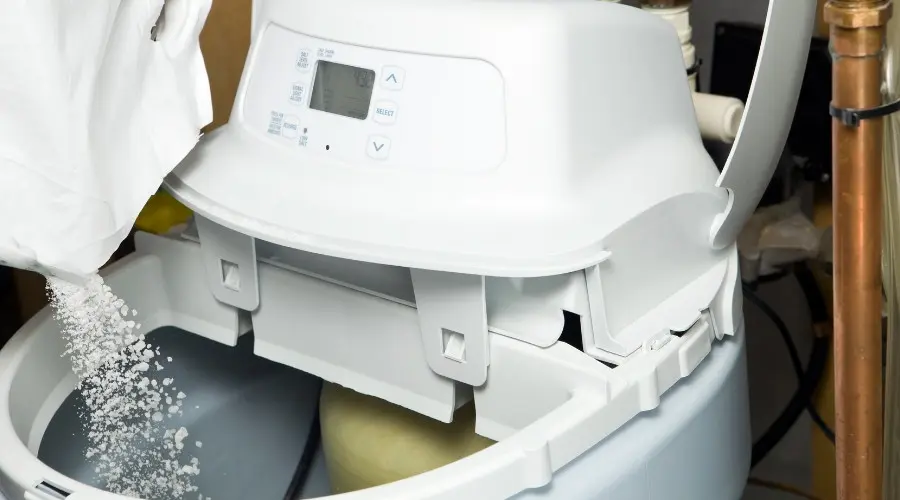
Water softener system in operation, dispensing salt into the reservoir, showcasing features like control panel and plumbing connections.

Do Homeowners Need a Water Softener Installation?

Signs of Hard Water and Water Softeners Explained

Many households face daily challenges posed by hard water. Understanding the signs of hard water and how a water softener can address these issues is essential for maintaining a comfortable and efficient home environment.

Signs Indicating Hard Water

Woman with dry, tangled hair looking concerned, illustrating the effects of hard water on hair and skin.Identifying signs of hard water early on can help homeowners take necessary steps to address the problem through a water softener system. Here are common indicators suggesting the need for water softening:

  • Dry Hair and Skin: Hard water often strips the skin and hair of their essential natural oils, leading to dryness, itching, and a lackluster appearance. If common moisturizers and conditioners don’t alleviate these issues, hard water may be the underlying cause.
  • Spotted Dishes: After dishes are washed, they often appear spotted or cloudy due to the dissolved minerals present in hard water. Without a water softening system, it becomes consistently challenging to achieve totally clean dishes.
  • Stains and Deposits on Fixtures: Faucet stains and chalky deposits are common in homes with hard water. These mineral deposits can be stubborn to clean and detract from the aesthetic appeal of bathroom and kitchen fixtures.
  • Faded Laundry: Clothing washed repeatedly in hard water can lose its vibrant color and feel stiff. Minerals in hard water adhere to fabrics, reducing the efficiency of detergents and affecting the quality of the fabric.
  • Scale Buildup in Pipes and Fixtures: Over time, mineral scale from hard water accumulates within pipes and fixtures, leading to clogs and reduced water pressure, and possibly resulting in costly plumbing repairs.

Noticing these signs can motivate homeowners to consider a water softener installation, preventing further inconvenience and damage.

How Does a Water Softener Work?

A water softener system is designed to transform hard water into soft water by removing undesirable minerals. 

Hard water enters the water softening system and encounters resin beads charged with sodium ions. In this process, calcium and magnesium ions in the water are exchanged with sodium ions, effectively eliminating the minerals that cause water hardness.

With continued usage, the resin beads expend their supply of sodium ions. The water softener system subsequently undergoes a regeneration cycle, replenishing the beads with sodium ions via a saltwater brine solution, preparing them for ongoing ion exchange.

By installing a water softener system, homeowners can effectively eliminate the adverse effects of hard water, thereby enhancing both the quality of their water and the efficiency of their household.

Benefits of Whole Home Water Softeners

Piggy bank being held by a person, symbolizing savings and financial planning related to investing in a whole home water softener system.Installing a whole home water softener delivers numerous benefits beyond solving problems caused by hard water. Here’s why homeowners choose water softener installation:

  • Reduced Wear and Tear: Consistent use of a whole house water softener protects pipes and fixtures from damage by preventing scale buildup, thereby prolonging their lifespan and reducing repair needs.
  • Easy Cleaning: With softened water, the effort and time spent scrubbing mineral deposits from sinks and showers diminish significantly, allowing for cleaner surfaces with less hassle.
  • Preserved Laundry Colors: Fabrics maintain their vibrant color longer as softened water minimizes the fading and stiffening caused by hard water minerals.
  • Hydrated Hair and Skin: Softened water helps retain the moisture in skin and hair, preventing the dryness often exacerbated by hard water.
  • Spotless Dishes: Dishes come clean more easily and remain spot-free, enhancing their appearance and hygiene due to reduced mineral deposits.
  • Cost Savings and Appliance Efficiency: By extending the life of appliances and plumbing fixtures, and boosting water heater efficiency, a water softening system results in lower utility bills and fewer replacements.

Hard water presents numerous inconveniences and challenges, but a water softener installation provides a long-term solution. The benefits of soft water extend throughout the entire home—from safeguarding pipes and fixtures to enhancing personal care and cleanliness.

About Allore’s Plumbing Services LLC

Allore’s Plumbing Services LLC provides specialized plumbing and remodeling services in Stuart, Palm City, Jensen Beach, and the surrounding areas. As a veteran-owned company, they provide quality services with 100% satisfaction guaranteed. Call now for water softener installations in Stuart, FL.

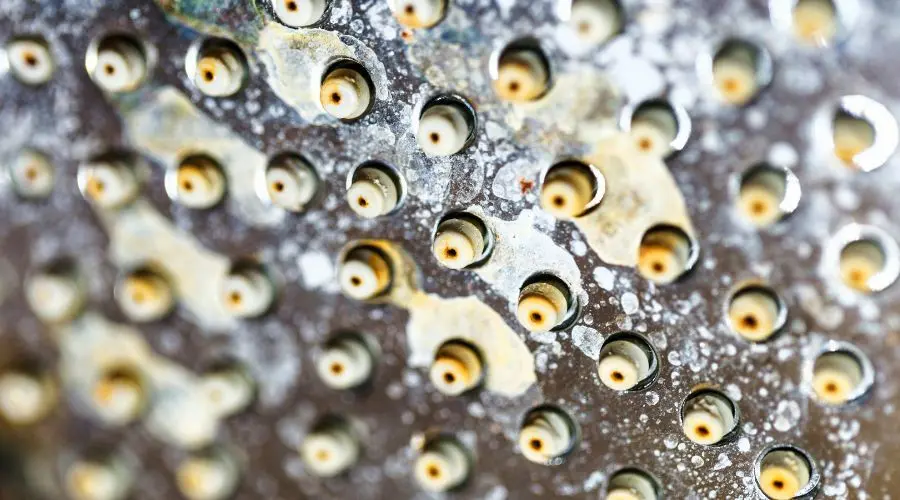
Close-up of a rusty metal grater, showcasing aged surface details relevant to plumbing maintenance.

Is Hard Water Harming Your Home? Here’s Why You Might Need a Water Softener

Understanding Hard Water

Water is vital for life and one of our planet’s most versatile substances. However, certain qualities of household water can leave much to be desired. One common issue is hard water, which refers to water with a high concentration of minerals, primarily calcium and magnesium. As water travels through the natural water cycle, it comes into contact with various geological formations, which release these minerals into the water. This process leads to the water being classified as “hard.”

Although municipal water treatment facilities process water to make it safe, they leave these minerals intact since removing them on a large scale can be costly. Fortunately, hardness can be eliminated by installing a water softener. 

Signs Your Home Has Hard Water

Woman with long, unkempt hair expressing frustration, illustrating the effects of hard water on hair quality and maintenance.Most water sources have varying levels of dissolved minerals, which contribute to the overall hardness of the water. This can affect everything from household cleaning to plumbing.

Understanding the hardness of your water source is essential for addressing potential impacts on everyday use and maintenance. Higher mineral levels can create several challenges around the home. Common signs of hard water include:

  • Dry, itchy skin and dull hair.
  • Spots or streaks on dishes and glassware after washing.
  • Stains and scale buildup on faucets, showerheads, and sinks.
  • Clothes that fade quickly or feel rough after laundering.
  • Frequent plumbing issues like clogged fixtures or reduced water pressure.

How Do Water Softeners Work?

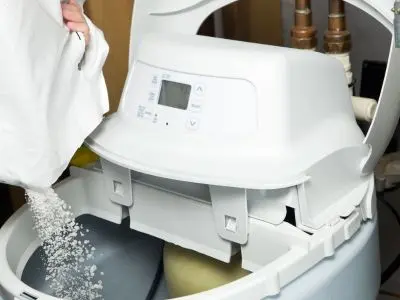
Water softener system with a person adding salt, illustrating the process of maintaining water quality by reducing hard water minerals like calcium and magnesium.Water softeners are designed to remove the minerals that cause hard water, making the water more user-friendly. The most common minerals associated with water hardness – calcium and magnesium – are easily filtered out by whole-home water softening systems.

Here’s how it works: water flows over a resin bed inside the softener, where the resin captures the calcium and magnesium ions and exchanges them with sodium ions. Over time, the resin becomes saturated and is cleaned during an automatic regeneration process using a high-sodium brine solution. This process flushes the trapped minerals from the resin, resetting the system. Homeowners just need to periodically top off the salt in the brine tank to keep the system functioning smoothly.

Benefits of Softening Your Home’s Water

For homes dealing with hard water, installing a water softener offers numerous benefits, such as:

  1. Healthier Skin and Hair: Soft water rinses away soap and shampoo more effectively, leaving skin and hair clean, soft, and moisturized.
  2. Spotless Dishes and Bright Clothes: Soft water removes mineral residues that cause dishes to have spots and clothing to be dull and fade quickly.
  3. Extended Appliance Lifespan: Hard water can lead to scale buildup in appliances like water heaters, dishwashers, and washing machines, reducing efficiency and lifespan. Soft water helps these appliances perform better and last longer.
  4. Protected Plumbing: Hard water can lead to mineral deposits building up in pipes, which can cause clogs, corrosion, and poor water pressure. On the other hand, softened water helps keep the plumbing system clear, lowering the chances of expensive repairs later.

About Allore’s Plumbing Services LLC

Allore’s Plumbing Services LLC specializes in improving water quality for homeowners in Stuart, FL. Founded in 1986, they offer fast and reliable plumbing solutions customized to each homeowner’s needs and backed by a 100% satisfaction guarantee. Call them for water softener installation in Stuart, FL. 

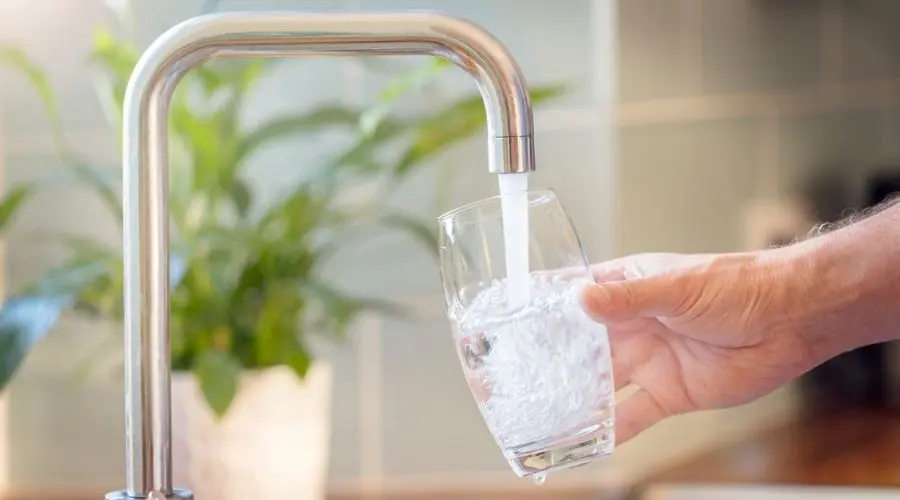
Glass filled with water from a modern faucet, highlighting plumbing services by Allore's Plumbing Services LLC.

Does the Home Need a Water Softener?

What Is Hard Water (and Why Is It Bad)?

Most homeowners have probably heard about hard water, but not everyone knows what it is – or even why they should care. Essentially, hard water is water with a high mineral content. These dissolved minerals – mostly calcium and magnesium – wind up in residential water supplies as the water percolates through rock and soil on its way to the aquifer, river, or other body of water used as a source for potable water.

While hard water is perfectly fine to drink, it can have various unwanted effects on the home’s plumbing system. It can even have some unpleasant effects on the skin and hair health of everyone in the house. Many homeowners decide to install a water softener to combat these negative outcomes. This article will discuss how water softeners work to eliminate hard water, signs a water softener might be needed, and how a water softener can positively impact the home.

How Do Water Softeners Work?

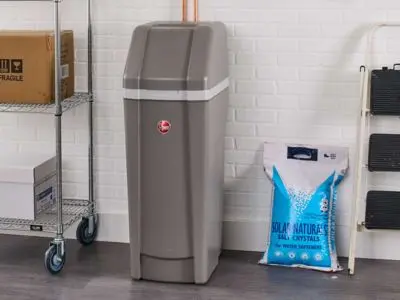
Water softener unit beside a bag of salt crystals, illustrating home water treatment solutions for hard water issues.Most water softeners use ion exchange to remove minerals from the home’s water supply. In this kind of water softener, hard water enters a tank filled with thousands of tiny resin beads charged with sodium ions. These beads attract the magnesium and calcium ions and release their sodium ions in exchange. At a certain point, the resin beads will become saturated with mineral ions, and the tank will be filled with brine, washing away the mineral ions and replacing them with more sodium ions so the process can be repeated.

Other types of water softener systems, such as salt-free and magnetic water softeners, neutralize or alter the mineral ions so that they cannot stick to surfaces and form a scale. Only water softeners that use ion exchange or reverse osmosis (a powerful type of physical filtration system) can completely remove minerals from the water. 

How To Tell If a Home Has Hard Water

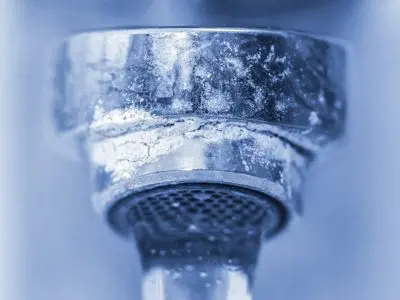
Close-up of a faucet aerator showing mineral scale buildup, indicating signs of hard water issues, relevant to water filtration and softener discussions.To determine whether or not they need a water softener system, homeowners should be on the lookout for the effects of hard water. These include:

  • Spotted glasses, dishes, and silverware
  • Water spots or excessive soap scum on faucets, fixtures, or shower curtains
  • Soap or shampoo doesn’t lather well
  • Dry hair and skin (since soap and shampoo are harder to wash away with hard water)
  • Worn or faded clothes and linens
  • Mineral scale inside pipes or fixtures
  • Higher energy bills (since hard water can hinder water heater efficiency)

If homeowners notice any of these issues, there’s a good chance they have hard water in their homes, and it may be time to consider installing a water softener.

Benefits of Installing a Whole Home Water Softener

Hard water’s negative effects go beyond aesthetics or minor inconveniences – over time, mineral deposits can clog pipes and damage appliances such as water heaters, washing machines, and dishwashers. Installing a water softener can be very beneficial and advantageous for various reasons. Here are some of the key water softener benefits:

  • Cleaner dishes and silverware
  • Saves time on cleaning soap scum and mineral deposits from showers, sinks, and tubs
  • Saves money on energy bills by helping appliances operate at peak efficiency
  • Extends the life of appliances
  • Protects the plumbing system and fixtures from the damage caused by mineral scale buildup
  • Helps clothes and linens last longer and keep their colors
  • Assists with healthier, more hydrated skin and hair

Of course, when it comes time to get a water softener, picking the right one isn’t always easy. Smaller softeners serve individual faucets or showerheads, or larger whole-house water softeners treat all of the home’s water as it enters the home. So homeowners would consult a qualified plumber or water softener specialist to determine what kind of water softener best suits their needs and budget!

About Allore’s Plumbing Services LLC

Allore’s Plumbing Services LLC has been one of Stuart’s most trusted and highly-rated plumbers since 1986. As a veteran-owned local business, their dedication to safety, top-notch workmanship, and outstanding customer service has earned them numerous awards and 5-star reviews from satisfied customers. They offer 24-hour emergency service, competitive up-front pricing, personalized options, and a 100% satisfaction guarantee on every job – so there’s no one better to call for water softener installation in Stuart, FL!

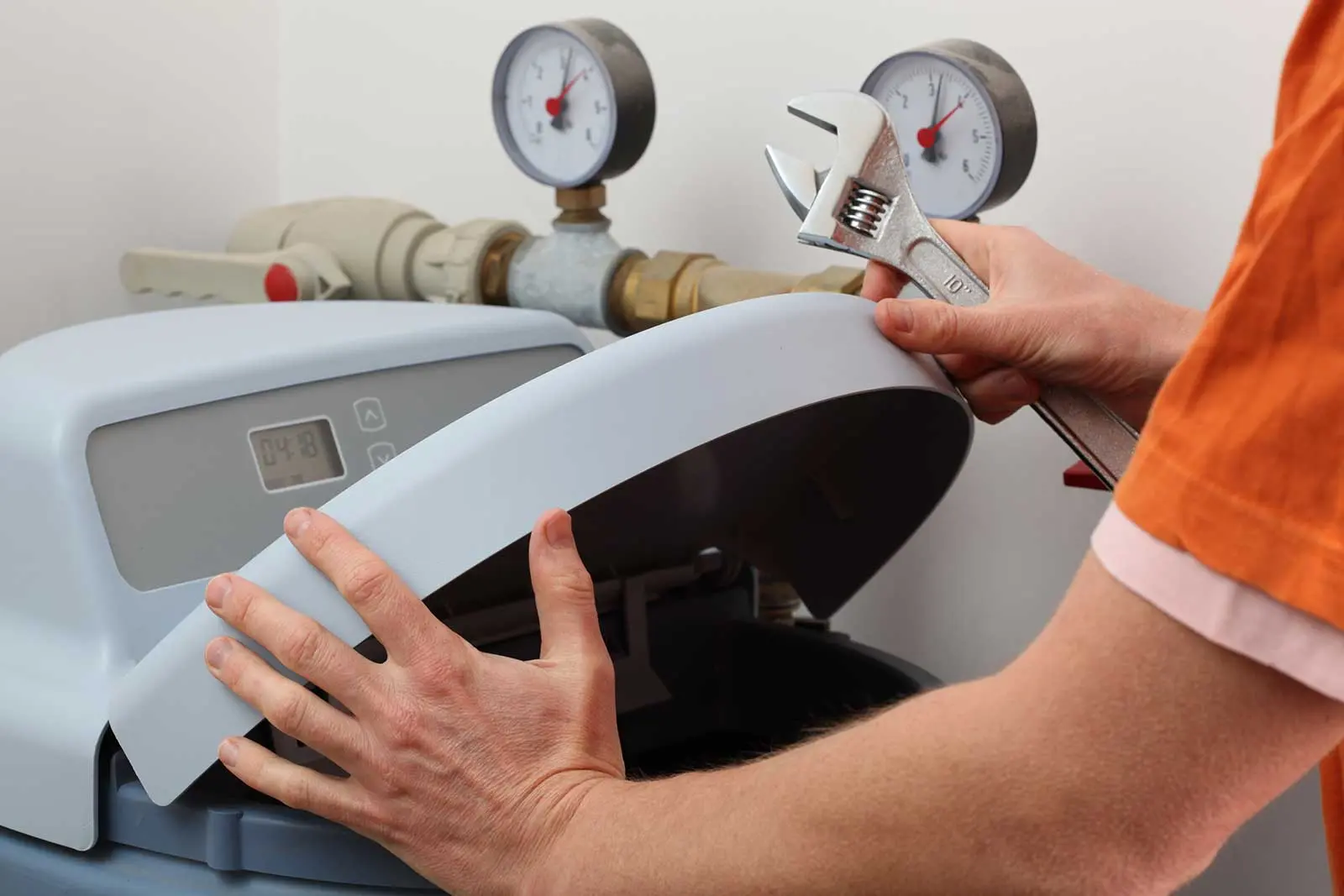
Person using an adjustable wrench on a machine with pressure gauges in an industrial setting for plumbing repair services.

3 Signs You May Need To Install a Water Softener

Do You Have Hard Water In Your Home?

For many homeowners, the distinction between hard and soft water is not a familiar concept. After all, what exactly does it mean when water is “hard?” Hard water is simply water that contains a high concentration of dissolved minerals. While this doesn’t make much difference in terms of the water’s safety, it can significantly impact the plumbing system itself – not to mention the comfort of everyone in the home. 

One solution is to install a water softener to remove these minerals from the water supply, but many homeowners wonder if it’s really necessary. So this article will lay out the three most common signs that a home has hard water, how it can affect the home and its plumbing, and how to tell when it’s time to install a water softener.

Visual Cues

Thanks to its high mineral content, hard water tends to leave behind a residue when it dries out – the water evaporates, but the minerals stay put. It’s common for dishes washed in hard water to be covered in cloudy white spots or become slightly opaque over time. 

Over time, small mineral deposits like these may accumulate on faucets and showerheads, forming a hard white or greenish crust around the spigot or nozzle. Unusually high amounts of soap scum buildup in sink basins or on shower walls may also indicate hard water, as the dissolved minerals bind with the soap and cause it to hang around on surfaces after the water evaporates.

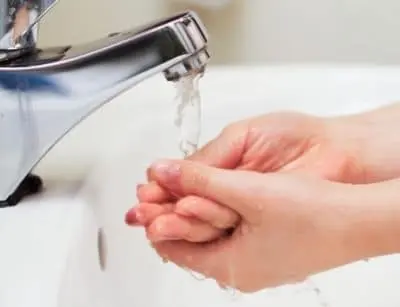
That Hard Water FeelingHands washing under a faucet with flowing water, illustrating the effects of hard water on skin and plumbing surfaces.

Hard water can also be detected by the way it leaves skin, hair, and laundry feeling. Many people with hard water in their homes find that their skin feels very clean after bathing but then becomes dry, itchy, or irritated after they’ve dried off. This is because hard water leaves behind a mineral residue on the skin, just as it does on other surfaces.

This residue can clog pores and prevent the body’s natural oils from moisturizing the skin. It may have an even more pronounced effect on hair, leaving it flat and dry and cause the scalp to become flaky. These effects aren’t limited to the body, however – the residue of dissolved minerals can leave laundry feeling rough, stiff, or scratchy.

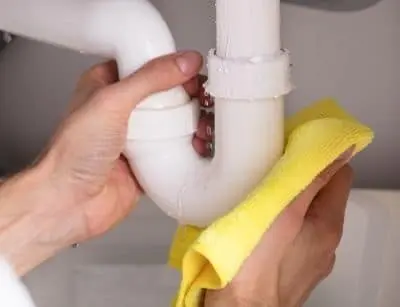
Problems with the PipesPerson repairing leaking white plumbing pipes under a sink, using a yellow cloth to wipe water, illustrating plumbing maintenance related to hard water issues.

Another clue that the home’s water is hard may come in the form of plumbing issues. As hard water travels through the home’s pipes, it will leave its trademark mineral scale deposits on the pipe interiors as well as the internal components of fixtures and appliances. Eventually, this scale buildup will interfere with the normal function of the plumbing system.

Mineral scale can obstruct water supply pipes and the larger drainage pipes, resulting in low water pressure or drain clogs, respectively. It can also lead to corrosion, excessive vibration, and overpressurization of copper supply lines, all of which can cause leaks or ruptures. Appliances like water heaters, dishwashers, and washing machines can wear out faster, or malfunction as scale interferes with their internal components.

With all this in mind, it’s easy to see why removing these troublesome minerals with a water softener might be a good idea, not just for comfort but also for the health of the home’s plumbing and appliances. If in doubt, homeowners can contact their preferred plumber to determine whether a water softener is right for them.

About Allore’s Plumbing Services LLC

Allore’s Plumbing Services LLC is an award-winning, veteran-owned local business with over 35 years of experience serving its community. They offer up-front, competitive pricing and 24/7 emergency service. Call Allore’s today for water softener services in Stuart, FL!

Dictionary definition of 'history' highlighting plumbing's past and significance for Allore's Plumbing Services LLC.

A water softener history lesson

The Story Behind the Invention of the Water Softener

Hard water is hard to deal with. It brittles and dries out skin and hair. It causes clothing to become worn more quickly when it’s washed. And it’s also tough on the surfaces that the water hits. It can leave stains on sinks, shower walls, countertops and other areas. 

Thank goodness for water softeners! They can make such a difference when it comes to water quality and are used every day in most households. So who invented this wonderful mechanism and why is its history important to know?

The Inventor of the Water Softener

Many people recognize the name Culligan but know very little about the Culligan who invented the modern-day water softener. Emmett Joseph Culligan was born in 1893 in Yankton, South Dakota. Living and working in the midwest, Culligan was very familiar with the effects of hard water. 

One day, he found himself pacing the halls of a hospital while his wife was in labor and ended up in the boiler room. There, he learned that the hospital used zeolite to soften its water. He became fascinated with the idea of softening water and wanted to create a way to make this technology available to everyone. So he got to work and eventually created the first modern-day water softener that could be used at home. 

Back Then…

The early 1900s were a critical time period in US history. It was a time of ups (the roaring 20s) and downs (the Great Depression), but also a time of new inventions. The manufacturing industry was booming and new technologies were created non-stop. People were especially looking for ways to improve life at home. 

For many years, Emmett Culligan had worked in the real estate industry. But when the Great Depression hit, he needed to find alternative work. It was a perfect opportunity for him to start his own company that could provide new jobs to unemployed people while bringing water softeners to the average household, improving quality of life. 

Developing a Water Softener

Of course, there have been some advancements in the look and design of water softeners today compared to what they looked like in the 1930s, but the mechanical setup is essentially the same. 

The process of water softening uses an ion exchange in a resin tank to remove dissolved minerals that a standard filter won’t catch. It exchanges hard ions such as calcium and magnesium with sodium or potassium ions. As water continues to run through the water softener, the device will become exhausted over time, which is the point in time when homeowners need to add more salt to the softener. 

As mentioned, this type of technology had already existed in hospitals and other commercial buildings, but Culligan modified the device and adapted it for the average homeowner. No more water stains, residue or mineral buildup in homes! That’s what a water softener is there for. 

About Allore’s Plumbing Services LLC

At Allore’s Plumbing Services LLC in Stuart, FL their customers’ needs and safety are of the utmost importance. Their loyal customers have been entrusting their plumbing needs to Allore’s Plumbing Services LLC since 1986. Contact them today to learn more about water filtration systems.Â