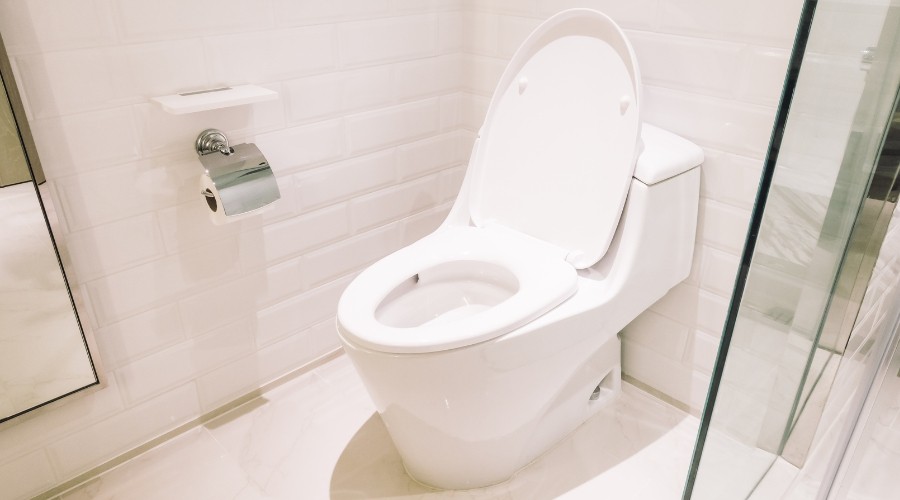
Modern white toilet in bathroom setting, illustrating toilet repair and maintenance tips.

Practical Tips for Preventing Common Toilet Issues

How to Better Care for a Home’s Toilets

The toilet is one of the hardest-working fixtures in any household, relied upon dozens of times each day without a second thought until something goes wrong. Understanding the warning signs of a struggling toilet and the habits that lead to plumbing problems gives homeowners the upper hand before a minor inconvenience turns into a costly toilet repair. Caring for a toilet properly starts with knowing what to look for and what to avoid, and that knowledge begins here.

Signs a Toilet Needs Repair or Replacement
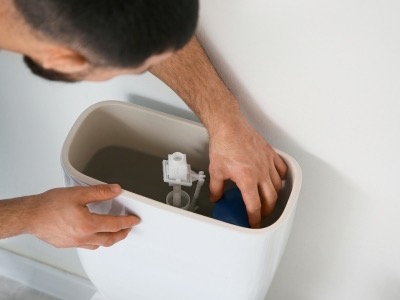
toilet A toilet that runs without stopping long after the flush cycle ends is a quiet but persistent sign that something inside the tank has worn out or failed, and leaving it unaddressed only drives up water bills with every passing day. Visible leaks around the base of the toilet or seeping from the tank point indicate seal failures or cracks that will not resolve on their own without professional intervention. Frequent clogs, weak flushes that struggle to clear the bowl, and incomplete flushes that require a second attempt are all patterns that signal the toilet is no longer performing the way it should.

Cracks in the porcelain of the tank or bowl are among the more serious warning signs, since even a hairline fracture can widen over time and result in water damage to the surrounding floor and subfloor. A toilet that seems to need repairs regularly is communicating that the underlying issues are compounding faster than individual fixes can resolve them. At some point, investing in a replacement becomes the more practical and cost-effective path forward rather than continuing to patch a fixture that keeps breaking down.

The age of the toilet itself is a factor worth considering, even when no obvious symptoms are present. Toilets that have been in service for more than 25 years are likely operating on outdated flushing technology that consumes significantly more water per flush than modern low-flow models require. An aging toilet that wastes water with every flush and drains money from the household budget month after month makes a compelling case for replacement long before it reaches the point of complete failure.

Tips for Preventing Toilet Clogs

toilet Preventing a clogged toilet begins with a clear understanding of what the fixture is actually designed to handle, which is human waste and toilet paper, and nothing beyond that. Paper towels, facial wipes, cotton rounds, dental floss, and even products labeled as flushable do not break down in water the same way toilet paper does, and these materials are responsible for a large share of preventable toilet clogs. Keeping a small wastebasket within reach of the toilet makes it easy to dispose of these items properly without the temptation to flush them away.

Toilet paper, while designed specifically for flushing, can still cause problems when too much is sent down the drain in a single flush. A large wad of toilet paper can restrict or fully block the drain before the water pressure has a chance to move it through, resulting in a backup that could have been avoided with a small adjustment in habit. Using a modest amount per flush, or breaking the process into two flushes when more paper is needed, keeps the drain clear and the plumbing flowing without interruption.

Building these habits into the daily routines of everyone in the household is the most sustainable way to reduce the frequency of toilet clogs over the long term. Children especially benefit from early guidance on what belongs in the toilet and what belongs in the trash, since curiosity and convenience often lead to flushing items that cause real plumbing problems. Small, consistent choices made at the toilet add up to a much healthier plumbing system over time.

How Sewer Lines Impact Toilets

The toilet may be the most familiar part of the plumbing system, but it is only one point along a much longer path that leads to the main sewer line running beneath the home. When that sewer line develops a clog or obstruction, the pressure and backup created by the blockage have nowhere to go but back through the connected fixtures, and the toilet is typically the first place those problems become visible. Frequent toilet clogs and unexpected backups that do not respond to ordinary clearing methods are often signs of a sewer line issue rather than a problem with the toilet itself.

What gets flushed does not simply disappear once it leaves the bowl, and materials that pass through the toilet without causing an immediate clog can continue accumulating inside the sewer line until a significant obstruction forms. Wipes, dental floss, grease, and other non-flushable materials are particularly prone to bonding together inside pipes and creating blockages that grow larger and more disruptive over time. A toilet that appears to be draining normally may be unknowingly contributing to a slow-building sewer line problem with every flush.

Recognizing the connection between toilet habits and sewer line health reframes how plumbing care is approached in the home. Symptoms like slow draining, gurgling sounds coming from the bowl after flushing, or sewage odors near drains are all signals that the sewer line deserves professional attention before the situation worsens. Catching and addressing sewer line problems early keeps a manageable issue from escalating into an emergency that affects the entire plumbing system throughout the home.

Contact Allore’s Plumbing Services LLC

Allore’s Plumbing Services LLC is a veteran-owned and operated plumbing solutions company serving Stuart, FL, and beyond. They offer emergency plumbing assistance, highly trained technicians, and long-term solutions. Call them today for clogged toilet repair in Stuart, FL.

common causes of low water pressure, 2fbhg2pyydiz8reorldacyldgmz4ruclb3aa5m9i

Common Causes of Low Water Pressure

What Causes Poor Water Pressure?

Poor water pressure is a common problem that can make simple tasks like showering or washing dishes a challenge. To regain consistent and optimal water flow, it is important to identify the underlying reasons for low water pressure. Various factors can contribute to this issue, each with its own solutions.

Faulty Fixtures or Closed Valves

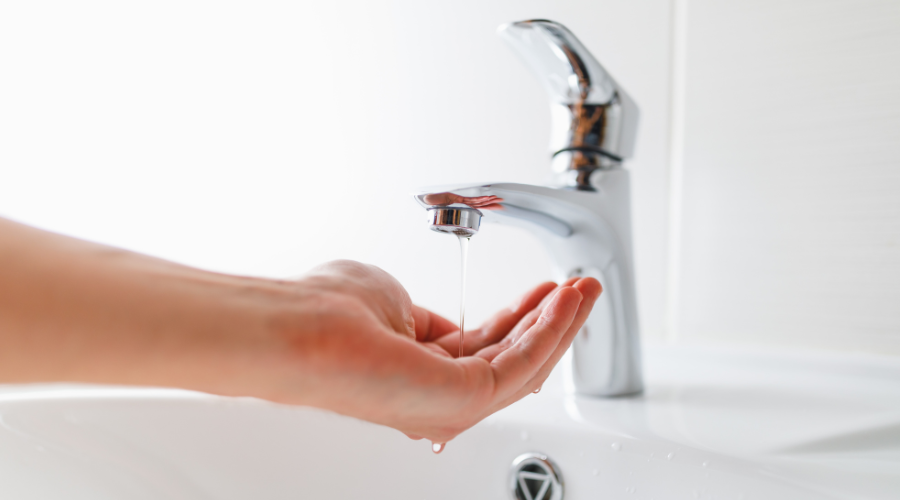
Showerhead with water flowing, illustrating potential causes of low water pressure from faulty fixtures or clogs.A key area to investigate when experiencing low water pressure is the condition of fixtures and the status of water valves in the home.

When low water pressure is limited to a single fixture, such as a faucet or showerhead, it often indicates a problem with that specific component. Clogs from mineral deposits or debris can restrict water flow. In such cases, cleaning or replacing the fixture can restore proper pressure. For instance, low water pressure in the shower may be due to a clogged showerhead, typically resolved by soaking the fixture in a cleaning solution to remove limescale buildup.

Suppose poor water pressure affects multiple areas of the home. In that case, it may be because a valve, such as the main water shutoff valve or the water meter valve, is partially closed or not fully operational. Checking these valves and ensuring they are fully open can often resolve widespread pressure issues.

Addressing these common culprits can significantly improve water pressure and ensure all fixtures function smoothly.

Water Leaks

Water leak from damaged pipe in muddy ground, illustrating common cause of low water pressure in plumbing systems.Another frequent reason behind low water pressure is the presence of leaks within the water system, which diverts needed water flow.

A leak in the water lines can lead to significant drops in water pressure across various fixtures in the house. Whether due to damaged pipes or loose connections, leaks reduce the volume of water reaching its intended destination, resulting in noticeable pressure loss.

Identifying and promptly repairing water leaks is crucial in restoring optimal water pressure. Professional plumbers can use specialized equipment to detect hidden leaks and perform necessary repairs, which not only improve water pressure but also help prevent water damage and unnecessary water waste.

In summary, addressing leaks is essential in mitigating low water pressure and ensuring efficient water usage in the home.

Clogs and Buildup

Clogs and buildup within water lines are common causes of reduced water pressure that require maintenance to prevent costly issues.

Over time, water lines can develop clogs due to mineral deposits, particularly in areas with hard water, or due to debris restricting flow. Older and corroded water pipes are especially susceptible to forming obstructions. These issues can progressively worsen, leading to severely restricted water flow.

Regular maintenance, such as flushing the system or using a water softener, can prevent mineral buildup. In more severe cases, it may be necessary to replace sections of old piping or use professional plumbing services to clear the lines.

By proactively managing clogs and buildup, homeowners can maintain consistent water pressure and extend the lifespan of their plumbing system.

About Allore’s Plumbing Services LLC

Allore’s Plumbing Services LLC is a veteran-owned and operated plumbing company serving Stuart, FL, and beyond. They offer emergency plumbing, highly-trained technicians, and a 100% satisfaction guarantee. Call them for water softener installation in Stuart, FL.

High-pressure water jet nozzle cleaning sewer pipe, expelling muddy water; Allore's plumbing services maintenance.

Answer to Common Questions About Hydro Jetting

Everything Homeowners Need to Know about Hydro Jetting

Talking to a plumber can sometimes be confusing and overwhelming. They may use terms that homeowners aren’t familiar with or suggest things they know nothing about. Hydro jetting often falls into both categories. As this type of plumbing procedure becomes preferred by more and more plumbers, it’s a good idea for homeowners to know more about it. This article will answer three common questions about hydro jetting so homeowners can be informed when talking to their plumber about this plumbing service. 

How Does Hydro Jetting Work?

High-pressure water jet nozzle spraying water to clear plumbing pipes, illustrating hydro jetting process for effective clog removal and pipe cleaning.Hydro jetting is an excellent way for plumbers to clear clogs and thoroughly clean pipes. As the name suggests, it blasts high-pressure water inside the pipes to clear them of any clogs or obstructions. These water jets can be strong enough to clear tough obstructions such as roots. 

There are some signs that the plumbing could use hydro jetting. These include slow-moving drains, clogs, backups, and bad smells coming from drains. If the plumbing is noisy, making gurgling or sucking sounds, hydro jetting is ideal for remedying this issue. 

Why Is Hydro Jetting Safer for Pipes?

Since hydro jetting uses high-pressure blasts of water to clear clogs, it’s often considered safer than other clog-clearing options such as chemicals or plumbing snakes. Chemicals don’t often clear the entire blockage and can eat away at the pipes when used repeatedly. Likewise, plumbing snakes can damage the pipes because these drain augers have to be “snaked” down them. 

However, hydro jetting isn’t ideal for weakened pipes. If the pipes are old or in bad condition, the high-pressure water jets could damage them. This is why it’s important for a plumber to inspect the pipes before doing any drain cleaning. However, if the pipes are in good condition, hydro jetting can be used on different piping materials, including cast iron and PVC.

What Are the Benefits of Hydro Jetting?

Clogged pipe with roots and debris, illustrating the need for hydro jetting to clear severe blockages in plumbing systems.Hydro jetting has several benefits, including using all kinds of pipe materials. Unlike other types of drain cleaning, hydro jetting doesn’t just clear the big clog, it also cleans the pipe’s interior to help prevent further clogs. When using chemicals or drain augers, it’s common for the interior of the pipes to remain dirty even though the large clog has been cleared. 

Hydro jetting is also more environmentally friendly than chemical drain cleaners because it only uses water instead of harmful chemicals. Plus, the plumber can conduct the cleaning without invasive techniques, like digging a trench in the yard to access pipes. Even tough obstructions are no match for hydro jetting, as the high-pressure blasts can clear out tree roots, causing a clogged sewer line. 

Professional plumbers have the tools to do hydro jetting quickly and efficiently. These tools include cameras that can inspect the pipes first, followed by flexible hoses and a high-pressure system for the hydro jetting process. When the job is done, the clogs will be gone, and the drains will flow freely again!

About Allore’s Plumbing Services LLC

The friendly pros at Allore’s Plumbing Services LLC have been proudly serving Stuart, FL, for over 35 years! Their highly trained technicians deliver extraordinary care and deduction. Plus, they stand behind their service with a 100% satisfaction guarantee. Contact them today for hydro jet drain cleaning in Stuart, FL!

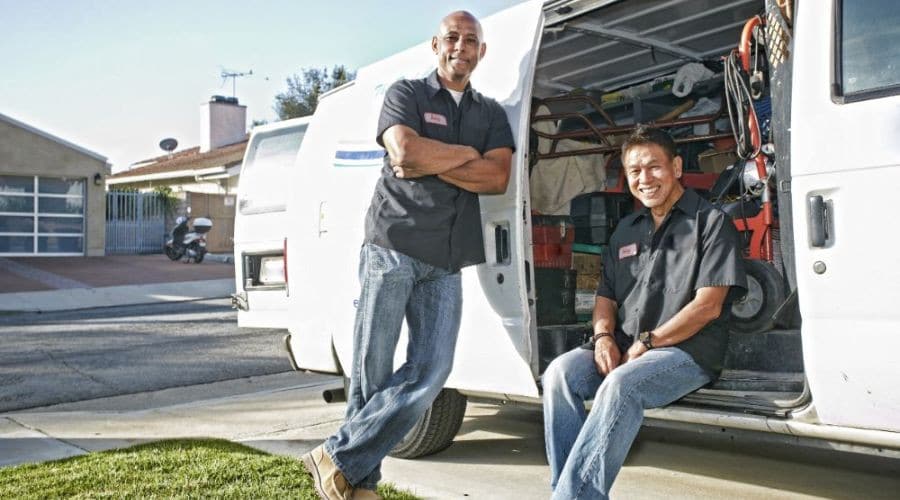
Two men in work uniforms by a service van, showcasing tools in a residential area under bright sunlight.

Plumbing Tools That are Common on the Jobsite

What Equipment is in a Fully-Stocked Truck? 

“Fully-stocked trucks” is a phrase that is common in the trades. Most companies use it as a selling point, but the average homeowner may need to help understand why that is an important distinction to make. When they use the phrase, plumbers are trying to communicate that they keep all of the tools and common parts on board so they can make repairs more quickly. Having everything they need at the tips of their fingers can render more effective service and keep prices lower since they don’t have to waste time finding tools or ordering parts. 

A plumber’s truck has tools to help them get the job done. While the average person may not have access to certain tools or understand their intended use, plumbers are skilled and experienced in using all of the tools of their trade. Here is a sneak peek into the back of a plumber’s truck, where they keep all the tools necessary for success. 

Smaller Hand Tools for Everyday Repairs 

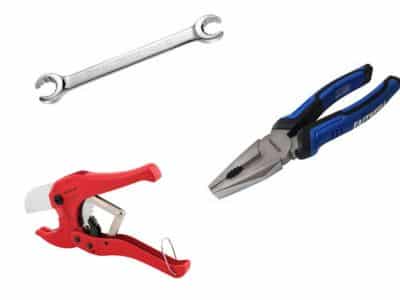
Small hand tools including a red pipe cutter, a silver wrench, and blue pliers, essential for plumbing repairs and maintenance.The thing that plumbers and all tradesmen keep near them is a tool pouch. While every person’s tool pouch is personalized, most are similar, especially within the same trade. To start with, a plumber’s tool pouch will have everyday tools like: 

  • Screwdrivers
  • Pliers
  • Utility knife
  • Torpedo level
  • Wrenches
  • Measuring tape

When plumbers approach a repair job, there is no guarantee that the fix will be easy, so they need access to common tools like these. When it comes to bigger jobs, they may have a separate tool bag that carries less used equipment like: 

  • Pipe wrenches
  • Pipe cutters
  • Handsaws
  • Power tools
  • Tongue and groove pliers
  • Files

Equipment to Keep Plumbers and Their Customers Safe 

Plumbing can involve safety hazards that include fire hazards and chemical hazards. To keep them and their customers safe, plumbers always operate at the highest safety levels and have special equipment just for the occasion. 

For copper pipe, a commonplace material in every home and business, the most common method to join pieces is soldering. Soldering uses a torch and hot flame to melt tin into pipe fittings. This gives a leak-free joint but can also cause a fire hazard. Plumbers carry wet rags, sand, and fire extinguishers to mitigate this risk. 

For joining PVC pipe, another common material, plumbers must use solvents and glue that release harsh fumes. In many cases, plumbers will use respirators to avoid breathing in the vapors. They will also use gloves to keep these chemicals off their hands. 

Specialty Tools for Emergencies 

Specialty plumbing tools including a drain auger, sewer inspection camera, and flexible drain cleaning cable for emergency plumbing repairs.About half of the work that plumbers do, more in some cases, is responding to plumbing emergencies like sewer clogs. Sewer clogs present major strategic problems because sewer lines are buried underground and underneath the slab of a home. To access and remove sewer clogs and make pinpoint repairs, plumbers use tools like: 

With these tools always in their trucks, plumbers can quickly take care of problems so life can get back to normal for their clients. 

About Allore’s Plumbing Services LLC

Allore’s Plumbing Services LLC serves residential and commercial customers with guaranteed service. Their technicians drive fully-stocked trucks to render fast service. Call today for emergency service or plumbing maintenance in Stuart, FL. 

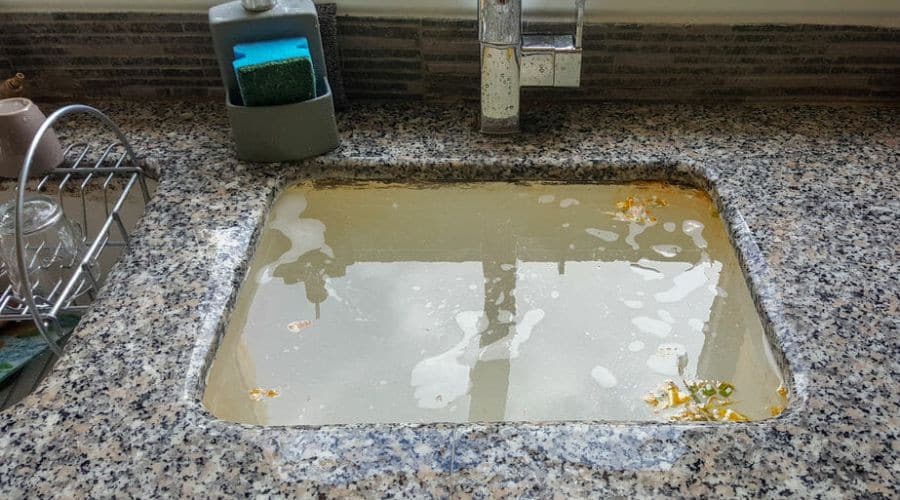
Cluttered kitchen sink with debris-filled water, sponge holder, and dish rack, highlighting cleanliness issues.

How to Avoid Common Plumbing Scares This Halloween

Don’t Let a Plumbing Emergency Ruin Halloween

A plumbing emergency can be a scary situation! Homeowners can use these three tips to keep their home safe from potential plumbing emergencies this spooky season. Clogged drains, burst pipes, and malfunctioning water heaters are all nightmares homeowners should take steps to avoid.

In this blog post, plumbing experts share three ways homeowners can keep their homes safe from plumbing emergencies this fall. Plumbing systems are complicated, but keeping them running safely does not have to be. Preventing plumbing disasters with annual maintenance keeps the home safe and saves the homeowner money on potential repairs. 

Drain Cleaning

Drains are often overlooked when people think about their plumbing systems, but clogged drains are one of the number one causes of plumbing disasters. The entire plumbing system is connected, and a lack of proper drainage can cause serious problems. Neglecting the drains include burst pipes underground or sewer backflow into the home. 

Scheduling regular drain cleaning services can help protect homeowners from a scary plumbing situation this fall. Professional plumbers have methods such as drain snaking and hydro-jetting, which can be used to clear drains safely. Homeowners can also mix baking soda and vinegar or pour hot water down the drain to help clean it. 

One should never use liquid drain cleaners to try to fix a clogged drain because of the toxic chemicals they contain. When the liquid drain cleaner fails to clear the clog immediately, the toxic fumes can come back into the house. Liquid drain cleaner can be even scarier than a clogged drain because of the risk of poisoning from exposure to the chemicals. 

How to Prevent Clogged Toilets

Person using a plunger in a toilet, demonstrating a common method to prevent clogged toilets, relevant to plumbing maintenance tips.Clogged toilets are one of the most common problems that plumbing companies fix. Homeowners can help to prevent a clogged toilet from scaring off their guests this Halloween by being mindful of what gets flushed. The only thing one should ever flush down the toilet is toilet paper. 

Even some items advertised as flushable can cause problems for certain toilets. Wipes, paper towels, and sanitary napkins should be thrown in the trashcan rather than flushed down the toilet. Using less toilet paper can also be beneficial for preventing a clogged toilet. 

Water Heater Maintenance

Man performing maintenance on a water heater, wearing safety goggles and using a screwdriver, highlighting the importance of regular water heater upkeep for efficient performance and safety.A broken water heater can be scary for multiple reasons. The water heater is an essential piece of plumbing hardware for modern homes. It provides the home with warm water for bathing, cleaning, and other daily tasks. Homeowners should regularly maintain their water heaters to ensure that it does not break down this Halloween.

The benefits of doing water heater maintenance include promoting efficient performance, keeping energy bills low, and protecting the safety of the household. Maintenance also helps to protect the homeowner’s investment in their water heater system. Fixing small problems before they get out of hand can add years to the lifespan of the hardware. 

When water heaters work, the natural minerals in the water can separate into solid sediment. This sediment build-up can eventually cause corrosion of the water heater tank. During water heater maintenance appointments, the technician will safely clean out the sediment to prevent corrosion and other problems.

About Allore’s Plumbing Services LLC 

Allore’s Plumbing Services LLC is a trustworthy local plumbing company passionate about keeping its community safe from plumbing disasters. Homeowners in the Stuart, FL area have depended on Allore’s Plumbing Services LLC for over 30+ years for plumbing repairs and maintenance. Call them today for emergency plumbing services in Stuart, FL!