

How to Better Care for a Home’s Toilets
The toilet is one of the hardest-working fixtures in any household, relied upon dozens of times each day without a second thought until something goes wrong. Understanding the warning signs of a struggling toilet and the habits that lead to plumbing problems gives homeowners the upper hand before a minor inconvenience turns into a costly toilet repair. Caring for a toilet properly starts with knowing what to look for and what to avoid, and that knowledge begins here.
Signs a Toilet Needs Repair or Replacement
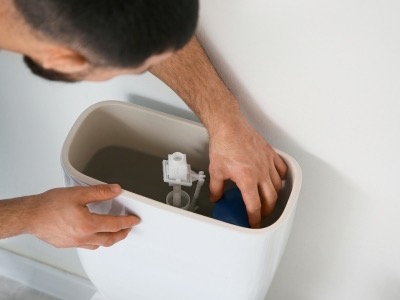 A toilet that runs without stopping long after the flush cycle ends is a quiet but persistent sign that something inside the tank has worn out or failed, and leaving it unaddressed only drives up water bills with every passing day. Visible leaks around the base of the toilet or seeping from the tank point indicate seal failures or cracks that will not resolve on their own without professional intervention. Frequent clogs, weak flushes that struggle to clear the bowl, and incomplete flushes that require a second attempt are all patterns that signal the toilet is no longer performing the way it should.
Cracks in the porcelain of the tank or bowl are among the more serious warning signs, since even a hairline fracture can widen over time and result in water damage to the surrounding floor and subfloor. A toilet that seems to need repairs regularly is communicating that the underlying issues are compounding faster than individual fixes can resolve them. At some point, investing in a replacement becomes the more practical and cost-effective path forward rather than continuing to patch a fixture that keeps breaking down.
The age of the toilet itself is a factor worth considering, even when no obvious symptoms are present. Toilets that have been in service for more than 25 years are likely operating on outdated flushing technology that consumes significantly more water per flush than modern low-flow models require. An aging toilet that wastes water with every flush and drains money from the household budget month after month makes a compelling case for replacement long before it reaches the point of complete failure.
Tips for Preventing Toilet Clogs
 Preventing a clogged toilet begins with a clear understanding of what the fixture is actually designed to handle, which is human waste and toilet paper, and nothing beyond that. Paper towels, facial wipes, cotton rounds, dental floss, and even products labeled as flushable do not break down in water the same way toilet paper does, and these materials are responsible for a large share of preventable toilet clogs. Keeping a small wastebasket within reach of the toilet makes it easy to dispose of these items properly without the temptation to flush them away.
Toilet paper, while designed specifically for flushing, can still cause problems when too much is sent down the drain in a single flush. A large wad of toilet paper can restrict or fully block the drain before the water pressure has a chance to move it through, resulting in a backup that could have been avoided with a small adjustment in habit. Using a modest amount per flush, or breaking the process into two flushes when more paper is needed, keeps the drain clear and the plumbing flowing without interruption.
Building these habits into the daily routines of everyone in the household is the most sustainable way to reduce the frequency of toilet clogs over the long term. Children especially benefit from early guidance on what belongs in the toilet and what belongs in the trash, since curiosity and convenience often lead to flushing items that cause real plumbing problems. Small, consistent choices made at the toilet add up to a much healthier plumbing system over time.
How Sewer Lines Impact Toilets
The toilet may be the most familiar part of the plumbing system, but it is only one point along a much longer path that leads to the main sewer line running beneath the home. When that sewer line develops a clog or obstruction, the pressure and backup created by the blockage have nowhere to go but back through the connected fixtures, and the toilet is typically the first place those problems become visible. Frequent toilet clogs and unexpected backups that do not respond to ordinary clearing methods are often signs of a sewer line issue rather than a problem with the toilet itself.
What gets flushed does not simply disappear once it leaves the bowl, and materials that pass through the toilet without causing an immediate clog can continue accumulating inside the sewer line until a significant obstruction forms. Wipes, dental floss, grease, and other non-flushable materials are particularly prone to bonding together inside pipes and creating blockages that grow larger and more disruptive over time. A toilet that appears to be draining normally may be unknowingly contributing to a slow-building sewer line problem with every flush.
Recognizing the connection between toilet habits and sewer line health reframes how plumbing care is approached in the home. Symptoms like slow draining, gurgling sounds coming from the bowl after flushing, or sewage odors near drains are all signals that the sewer line deserves professional attention before the situation worsens. Catching and addressing sewer line problems early keeps a manageable issue from escalating into an emergency that affects the entire plumbing system throughout the home.
Contact Allore’s Plumbing Services LLC
Allore’s Plumbing Services LLC is a veteran-owned and operated plumbing solutions company serving Stuart, FL, and beyond. They offer emergency plumbing assistance, highly trained technicians, and long-term solutions. Call them today for clogged toilet repair in Stuart, FL.
)

 Flushing inappropriate items is one of the leading causes of a clogged toilet. Ensuring that only suitable materials go down the toilet can significantly reduce the risk of clogs.
 Even toilet paper, if used excessively, can contribute to a toilet clog. Using too much toilet paper in one flushing can overwhelm the plumbing. Moderation is key to maintaining a smoothly functioning toilet. Homeowners should aim to use only what is necessary for cleanliness.
)

 When toilet clogs happen, most people will first attempt to use a plunger to loosen the clog. When that doesn’t work, a professional may need to be called in to use a stronger method to clear the clog from the pipes or sewer line.
 To replace the trip lever, follow these easy steps:
)
)
)
)