

Everything Homeowners Need to Know about Hydro Jetting
Talking to a plumber can sometimes be confusing and overwhelming. They may use terms that homeowners aren’t familiar with or suggest things they know nothing about. Hydro jetting often falls into both categories. As this type of plumbing procedure becomes preferred by more and more plumbers, it’s a good idea for homeowners to know more about it. This article will answer three common questions about hydro jetting so homeowners can be informed when talking to their plumber about this plumbing service.
How Does Hydro Jetting Work?
 Hydro jetting is an excellent way for plumbers to clear clogs and thoroughly clean pipes. As the name suggests, it blasts high-pressure water inside the pipes to clear them of any clogs or obstructions. These water jets can be strong enough to clear tough obstructions such as roots.
There are some signs that the plumbing could use hydro jetting. These include slow-moving drains, clogs, backups, and bad smells coming from drains. If the plumbing is noisy, making gurgling or sucking sounds, hydro jetting is ideal for remedying this issue.
Why Is Hydro Jetting Safer for Pipes?
Since hydro jetting uses high-pressure blasts of water to clear clogs, it’s often considered safer than other clog-clearing options such as chemicals or plumbing snakes. Chemicals don’t often clear the entire blockage and can eat away at the pipes when used repeatedly. Likewise, plumbing snakes can damage the pipes because these drain augers have to be “snaked” down them.
However, hydro jetting isn’t ideal for weakened pipes. If the pipes are old or in bad condition, the high-pressure water jets could damage them. This is why it’s important for a plumber to inspect the pipes before doing any drain cleaning. However, if the pipes are in good condition, hydro jetting can be used on different piping materials, including cast iron and PVC.
What Are the Benefits of Hydro Jetting?
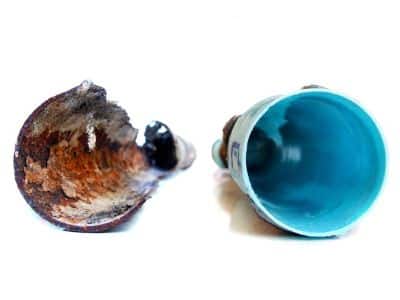
 Hydro jetting has several benefits, including using all kinds of pipe materials. Unlike other types of drain cleaning, hydro jetting doesn’t just clear the big clog, it also cleans the pipe’s interior to help prevent further clogs. When using chemicals or drain augers, it’s common for the interior of the pipes to remain dirty even though the large clog has been cleared.
Hydro jetting is also more environmentally friendly than chemical drain cleaners because it only uses water instead of harmful chemicals. Plus, the plumber can conduct the cleaning without invasive techniques, like digging a trench in the yard to access pipes. Even tough obstructions are no match for hydro jetting, as the high-pressure blasts can clear out tree roots, causing a clogged sewer line.
Professional plumbers have the tools to do hydro jetting quickly and efficiently. These tools include cameras that can inspect the pipes first, followed by flexible hoses and a high-pressure system for the hydro jetting process. When the job is done, the clogs will be gone, and the drains will flow freely again!
About Allore’s Plumbing Services LLC
The friendly pros at Allore’s Plumbing Services LLC have been proudly serving Stuart, FL, for over 35 years! Their highly trained technicians deliver extraordinary care and deduction. Plus, they stand behind their service with a 100% satisfaction guarantee. Contact them today for hydro jet drain cleaning in Stuart, FL!
)


)
)
)