

Pros and Cons of Common Water Heater Fuel Sources
A quiet morning often begins with the turn of a faucet, where heated water signals comfort and routine, yet behind that simple moment lies a choice that shapes efficiency, cost, and long-term reliability. Every property carries unique water heater demands, from household size to energy availability, and each factor nudges the decision toward either gas or electric solutions. Understanding the strengths and limitations of each fuel source allows a clearer path toward a system that aligns with both performance expectations and practical constraints.
Gas Water Heater
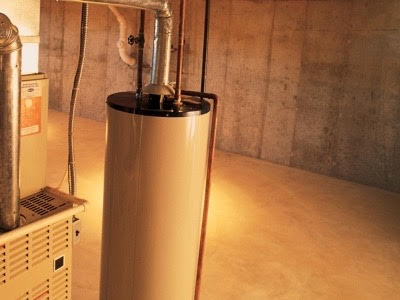 Warm water arrives quickly with a gas water heater, creating a sense of readiness that supports busy households and demanding schedules. Lower operating costs often follow, especially in areas where natural gas prices remain favorable, allowing long-term savings to unfold over years of consistent use. Strong recovery rates ensure steady hot water even during peak demand, making this option appealing for larger properties.
However, installation introduces complexity that requires careful planning and professional execution. Proper venting systems must safely direct combustion gases outside, while secure gas hookups demand precision and adherence to safety standards. Increased safety risks from combustion and potential gas leaks require ongoing maintenance and vigilance.
Despite these concerns, reliability during power interruptions offers a compelling advantage in areas prone to outages. Continuous operation without reliance on electricity keeps essential routines uninterrupted. For many properties, this balance between efficiency and responsibility shapes the appeal of gas-powered systems.
Electric Water Heater
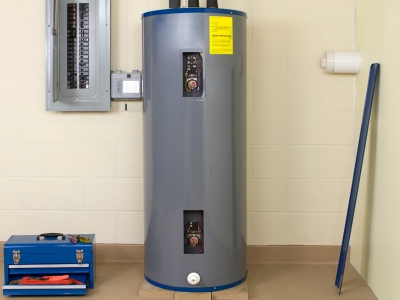 A different story unfolds with electric water heaters, where simplicity and accessibility define the experience from installation to daily operation. Lower upfront installation costs create an inviting entry point, especially for properties without existing gas infrastructure. A safer design eliminates combustion concerns, reducing risks associated with gas leaks or ventilation requirements.
Operating costs, however, tend to rise over time due to electricity prices, gradually influencing long-term budgeting. Slower heating cycles may become noticeable during periods of high demand, particularly in larger households. Power outages bring operations to a complete halt, leaving no access to hot water until electricity returns.
Still, a quiet, compact design allows for flexible placement within a property, offering convenience in tight spaces. Minimal maintenance requirements simplify ownership, allowing consistent performance with fewer service interruptions. For safety-focused environments, this option often delivers peace of mind alongside dependable functionality.
Factors to Consider Before Installation
Every property tells a different story, shaped by energy access, safety priorities, and daily water usage patterns. Frequent power outages often point toward gas water heaters as a reliable solution, ensuring uninterrupted hot water when electricity becomes unavailable. Existing gas lines also influence feasibility, as proper hookups remain essential for safe and effective operation.
Safety concerns often guide decisions in another direction, where electric systems provide reassurance through reduced risk exposure. Absence of combustion and gas eliminates many hazards, creating a more controlled environment for households focused on security. The simplicity of installation further supports this choice, particularly in areas without gas infrastructure.
Long-term cost considerations, household size, and maintenance expectations weave together into a final decision that balances practicality and performance. Each factor builds upon the next, forming a complete picture that leads toward the most suitable system. Professional guidance ensures that every detail aligns with efficiency goals and safety standards, setting the stage for reliable hot water every day.
About Allore’s Plumbing Services LLC
Allore’s Plumbing Services LLC is a veteran-owned and operated plumbing solutions company serving Stuart, FL, and beyond. They offer emergency plumbing assistance, highly trained technicians, and 100% satisfaction guaranteed. Call them today for water heater installation and repair in Stuart, FL.
)
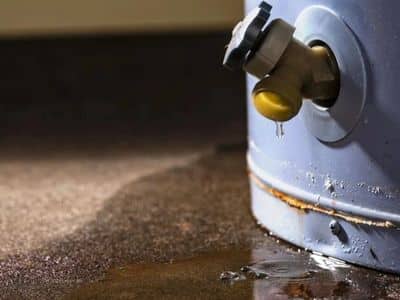
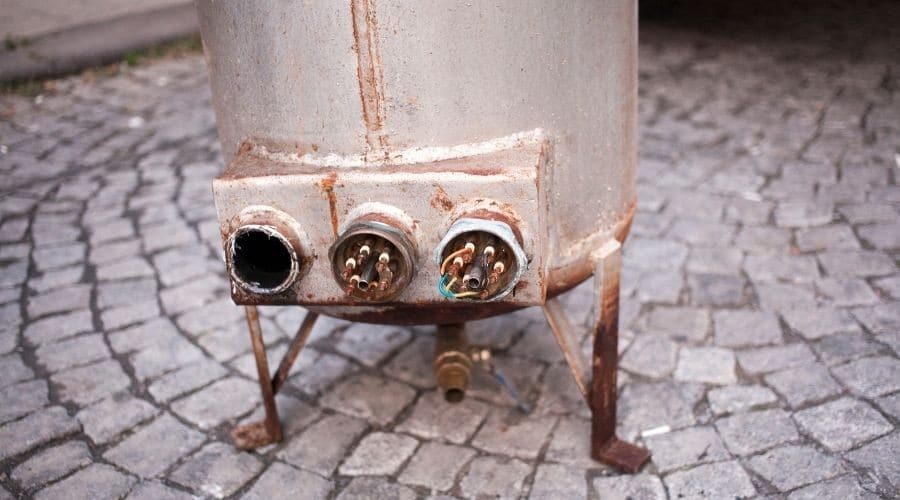
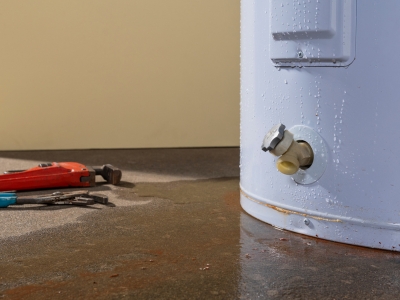 Visible deterioration around the tank strongly indicates that a unit is nearing the end of its life. Water heater corrosion often appears as rust spots, flaking metal, blistered paint, or damp insulation. At fixtures, discolored or rust‑tinted hot water, or water with a metallic odor, can also point to a corroded water heater.
 Traditional storage‑tank water heaters have a
 )
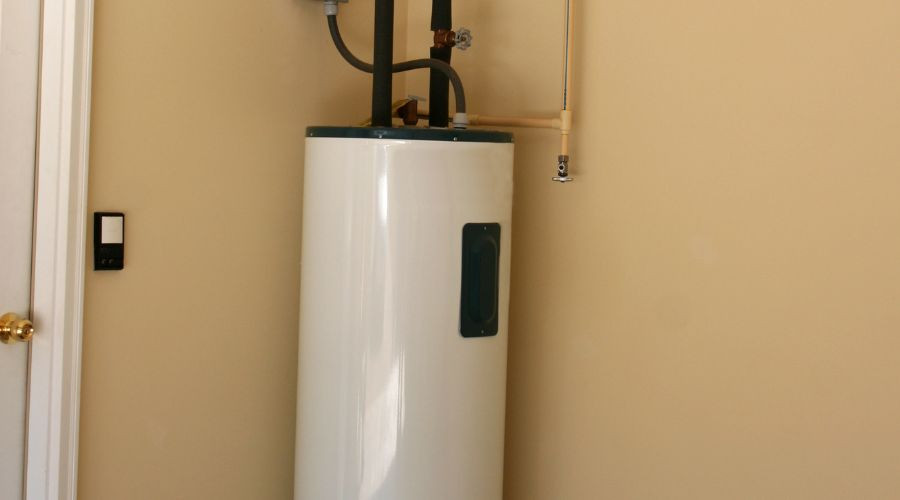
 A water heater operates quietly—until it fails. Recognizing
  Replacing an outdated water heater brings immediate benefits to daily life and long-term finances. Modern units offer improved energy efficiency, often using up to 50% less energy than models manufactured before 2015. This reduction leads to noticeable utility bill savings.
)
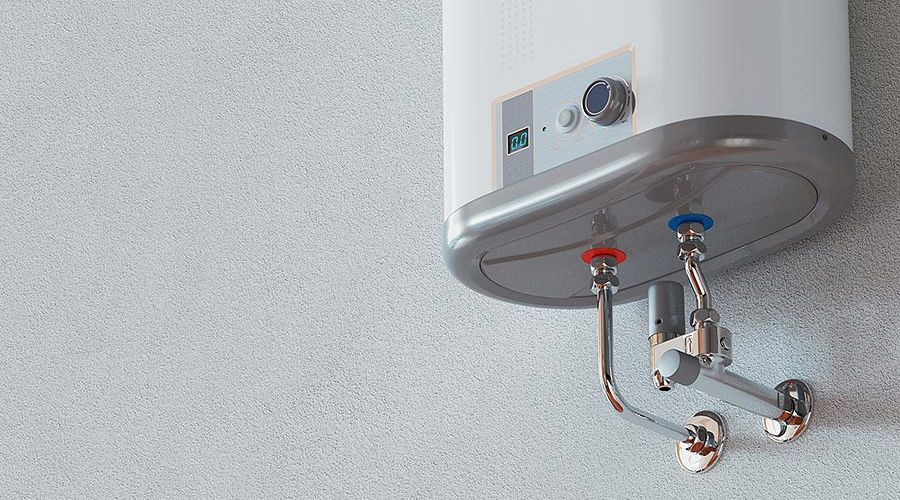
 Many homeowners’ New Year’s resolutions or intentions revolve around making better financial decisions. A new tankless water heater is a great move to support this project while also providing investment for the home. The average water tank uses around 20% of the home’s monthly budget for utilities. This means they are expensive to operate because they constantly keep water warm in anticipation of future use. On the other hand, a tankless water heater only heats water when needed. This results in shaving as much as 10% off of monthly water heating bills.
 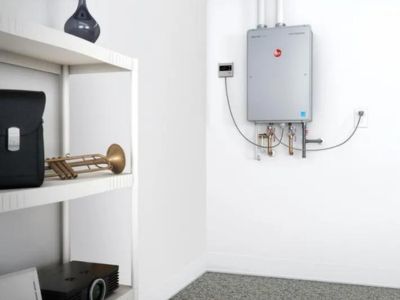 A main feature of tankless water heaters is that they are much smaller than
 )
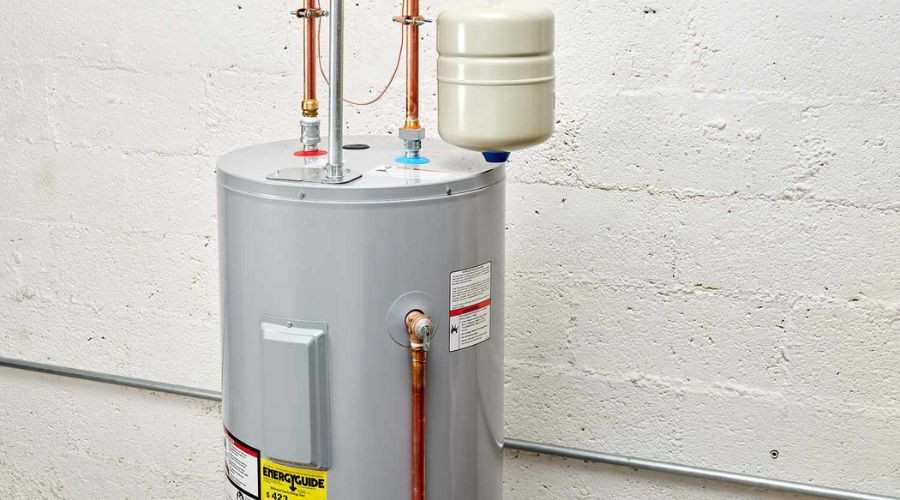
 Homeowners have nothing to lose and everything to gain when scheduling regular
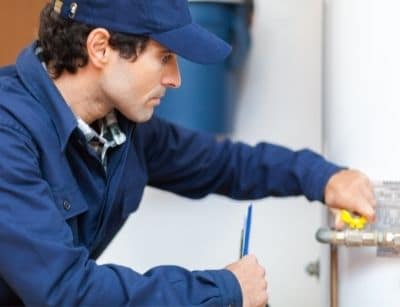
 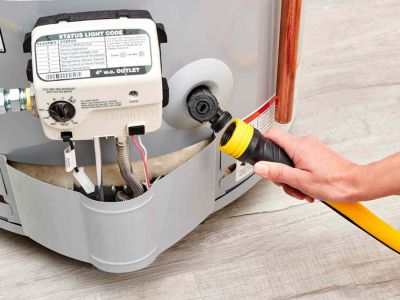 A plumber may service a water heater by:
 )

 There are several signs it’s time to replace a water heater. The first is the age of the water heater. Most conventional water heaters last around 10-15 years on average, so if the unit is in that range and having issues, it may be time for a new water heater.
  In addition to the never-ending hot water supply, on-demand water heaters offer several other advantages. Since they don’t perpetually hold a tank of water at a certain temperature, tankless units virtually eliminate standby heat loss. They use less energy overall – depending on the home’s water usage, going tankless may improve water heater efficiency by anywhere from 8% to around 34%.
 )
)
)
)
)
)

)
)
)
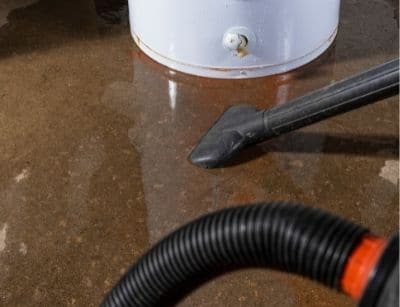
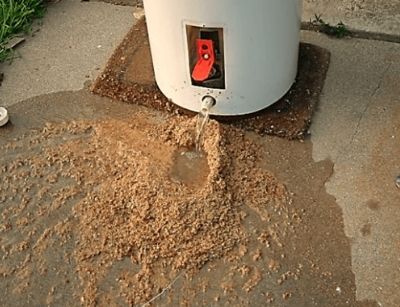
 Rust and Buildup in the Water
)
)
)
)
)
)