

How to Care for the Garbage Disposal and Prevent Clogs
A garbage disposal is a convenient tool for managing food scraps, but misuse can quickly lead to jams, foul odors, or even a clogged sewer line. With a few smart habits, a disposal can stay efficient and reliable for years. This post explains how to care for a garbage disposal and prevent clogs, covering what should and should not go into the unit, how cold water and ice help maintain a clean garbage disposal, and why avoiding overloads protects both the appliance and the home’s plumbing.
Be Careful What Goes Down the Disposal
 The easiest way to prevent a clogged garbage disposal is to control what enters it. Certain foods and materials are notorious for causing jams, damaging internal components, or contributing to a clogged sewer line. Grease, fats, and cooking oils should never be poured into a garbage disposal. These substances cool and solidify inside pipes, forming sticky coatings that trap other debris and eventually narrow the pipe.
Eggshells, potato peels, onion skins, and other stringy or fibrous scraps can tangle around moving parts, reducing grinding performance. Foods that absorb water—such as rice, pasta, bread, and oatmeal—tend to swell in the drain and can form stubborn blockages. Coffee grounds clump together into dense sludge that coats pipes and the inside of the disposal. Hard materials like bones, fruit pits, nutshells, and any non-food items can damage blades and should always go in the trash.
On the safe side, small amounts of soft food scraps are generally acceptable when combined with plenty of running water. Scraping plates into the trash or compost first, then rinsing residual bits into the garbage disposal, helps keep the unit and drains clear while lowering the risk of a clogged sewer line farther downstream.
Use Cold Water and Ice
 Water temperature and flow are just as important as food selection for disposal health. Running cold water before, during, and for several seconds after using the garbage disposal helps flush ground particles through the drain system. Cold water keeps any residual fat in a more solid state, allowing the disposal to break it into tiny pieces rather than letting it melt and coat the pipe walls.
Ice cubes can also support a clean garbage disposal. Periodically feeding a handful of ice into the running unit helps knock loose stuck-on residue from the grinding chamber and internal components. The ice chips act like tiny scrubbers, dislodging food particles that might otherwise contribute to odor or reduced performance.
If the unit becomes jammed or overloaded, common signs include a garbage disposal humming without turning on or failing to start until the garbage disposal reset button is pressed. While an occasional reset may be normal after a minor jam, repeated humming, frequent resets, or persistent clogs often signal the need for professional garbage disposal repair. In cases of severe wear or damage, replacing the garbage disposal may be the most practical long-term solution.
Avoid Putting Too Much Down the Disposal at Once
Even when only suitable materials are going into a garbage disposal, quantity and pacing matter. Overloading the chamber with a large volume of scraps all at once can overwhelm the motor and grinding mechanism, increasing the likelihood of a jammed or clogged garbage disposal. Unprocessed food pushed past the blades can become lodged in the drain, eventually contributing to a sewer line clog.
To avoid these problems, large food items should be cut into smaller pieces before reaching the sink. These pieces can then be fed gradually into the running disposal along with a steady stream of cold water. Allowing the unit to finish grinding one batch before adding more reduces strain on the motor and ensures that particles are small enough to move easily through the drain system.
Monitoring for early signs of trouble—such as slower drainage, recurring odors, or frequent jams—helps catch issues while they are still manageable. Prompt attention, whether by adjusting kitchen habits or scheduling timely garbage disposal repair, can prevent minor problems from evolving into major plumbing emergencies involving a clogged sewer line or widespread backups.
Contact Allore’s Plumbing Services LLC
Allore’s Plumbing Services LLC is a respected veteran-owned and operated plumbing company providing expert plumbing services from Stuart, FL, and beyond. They offer highly trained technicians, emergency plumbing services, and a 100% satisfaction guarantee. Call them today to schedule garbage disposal installation and repair in Stuart, FL.
)
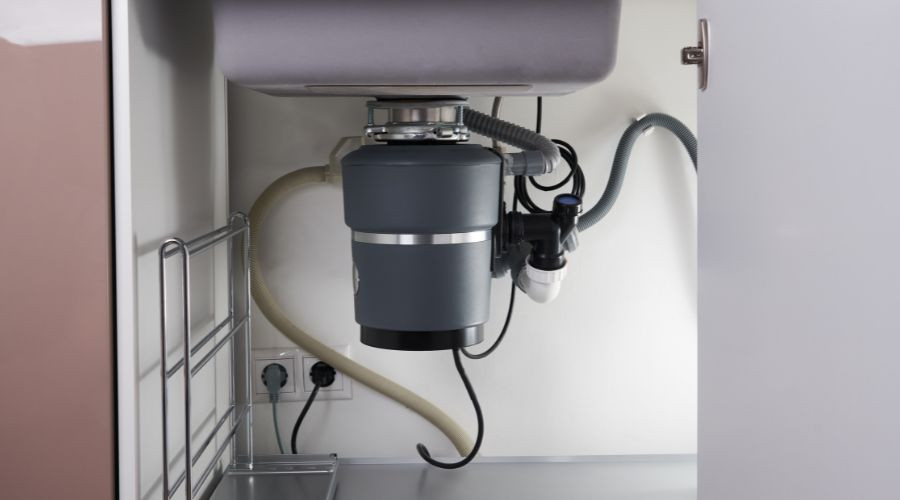
 A garbage disposal is designed to handle light food scraps, but many items can damage the unit or cause serious clogs. Never put fibrous materials like celery stalks, corn husks, or onion skins down the disposal, as they can wrap around the blades and jam the motor. Avoid disposing of coffee grounds, eggshells, and pasta, which can create a thick, paste-like substance that clogs drains. Starchy foods such as potato peels, rice, and beans should also be kept out of the disposal, as they expand with water and form a dense mass. Additionally, never put non-food items, grease, oil, or hard materials like bones or fruit pits through the disposal.
 Cold water is essential for
 )

 Another key tip is to always run water down the drain when using the garbage disposal and leave the water running for a few seconds after the disposal is turned off. This will assist in grinding, wash away food particles once broken down, and help keep the impeller blades and grinding wheel clean. Even with a steady flow of running water, it’s also a good idea to grind food waste a little bit at a time rather than stuffing everything down the drain at once. This will help prevent jamming and make things easier on the impeller motor.
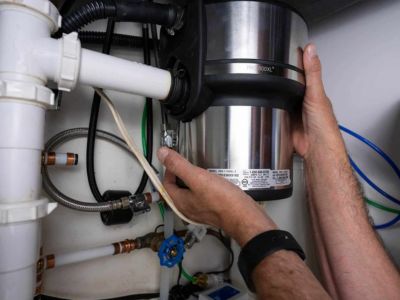 Another way to keep the garbage disposal working long-term is to leave garbage disposal repair and replacement to the professionals. This is partly for safety reasons (electric shock and hand injuries from spinning impellers are surprisingly common among those who attempt DIY garbage disposal repair). But it’s also to ensure that no further issues arise from working on the disposal improperly.
)



)



)
)
)