This back-to-school season, professional plumbers want to educate homeowners on everything they need to know about their plumbing systems. It is always best to leave plumbing repairs and maintenance up to qualified professionals, but having basic knowledge of how the plumbing system works can benefit homeowners in many ways.
Knowing how the plumbing system works helps homeowners to maintain their systems in a way that promotes efficient performance and extends the lifespan of plumbing fixtures. Homeowners should also know the warning signs of a malfunctioning plumbing system that they need to look out for. Small plumbing issues can become safety hazards and cause extensive home damage if left in disrepair.
Where Does the Water Come From?
The home plumbing system is connected to the main water source that is provided by the city or a well located on the property. At water treatment plants, water is processed to remove contaminants before it travels through a water line into a home’s plumbing. The pipes that connect the home to the main water source are called the water line.
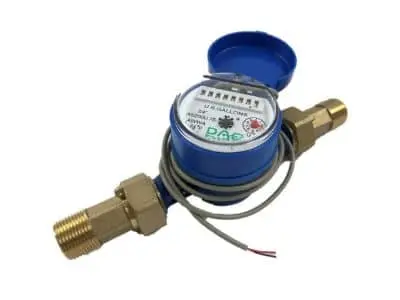
There is a water meter located at the connection to the water line that measures how much water the household is using. The water company uses this meter to bill for the amount of water used. Plumbers also use the water meter to troubleshoot issues with the plumbing system. They also use the main shut-off valve located on the water meter to stop the flow of water so that they can safely work on the plumbing system.
The wastewater exits the home through drains that lead to a city sewer or a septic tank. The pipes that carry wastewater to the sewer are called the sewer line. Septic tanks are used to dispose of wastewater from homes that cannot be connected to the sewer. Homeowners are responsible for maintaining their septic tank, whereas the city maintains the sewer.
Plumbing Appliances
The water line provides the home with water for drinking, cleaning, and bathing. Common plumbing appliances in the kitchen include dishwashers, sinks, and ice-makers. Washing machines use a lot of water.
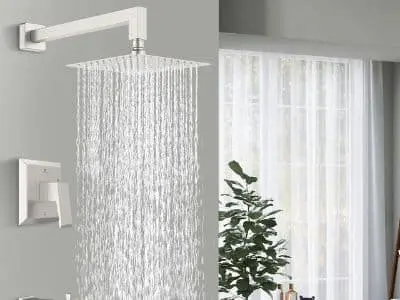
Another essential plumbing fixture would be a shower or bath. Some homes have both or just one. The toilet is another plumbing appliance that is found in the bathroom. Some homeowners also have outdoor plumbing fixtures such as sprinkler systems, fountains, or pools.
The water heater provides the home with a hot water source for cleaning and bathing. It is one of the most important and high-value pieces of plumbing hardware found in the household. Installing a new water heater can increase the home’s value for years.
New plumbing fixtures are more energy-efficient and water-saving than older models. Homeowners can save money on utility bills and do their part to protect the environment by replacing outdated plumbing fixtures with new water-conserving ones. The gallons of water saved each year by installing new fixtures can substantially save on water bills.
Schedule Plumbing Maintenance
One of the most common reasons home plumbing systems fail to perform efficiently or break down completely is a lack of maintenance. Homeowners should regularly check for signs of plumbing leaks and call a plumber if they notice any warning signs. During maintenance appointments, the plumber will have a chance to inspect the plumbing system for signs of damage and suggest solutions that meet the homeowner’s needs.
Drain cleaning services are one example of a plumbing service that homeowners can invest in to improve the performance of their plumbing systems. Clogged drains and pipes are a common plumbing problem costing homeowners hundreds of dollars yearly. A clogged pipe could burst due to water pressure, making the price of repairs shoot up to the thousands when extensive property damage occurs.
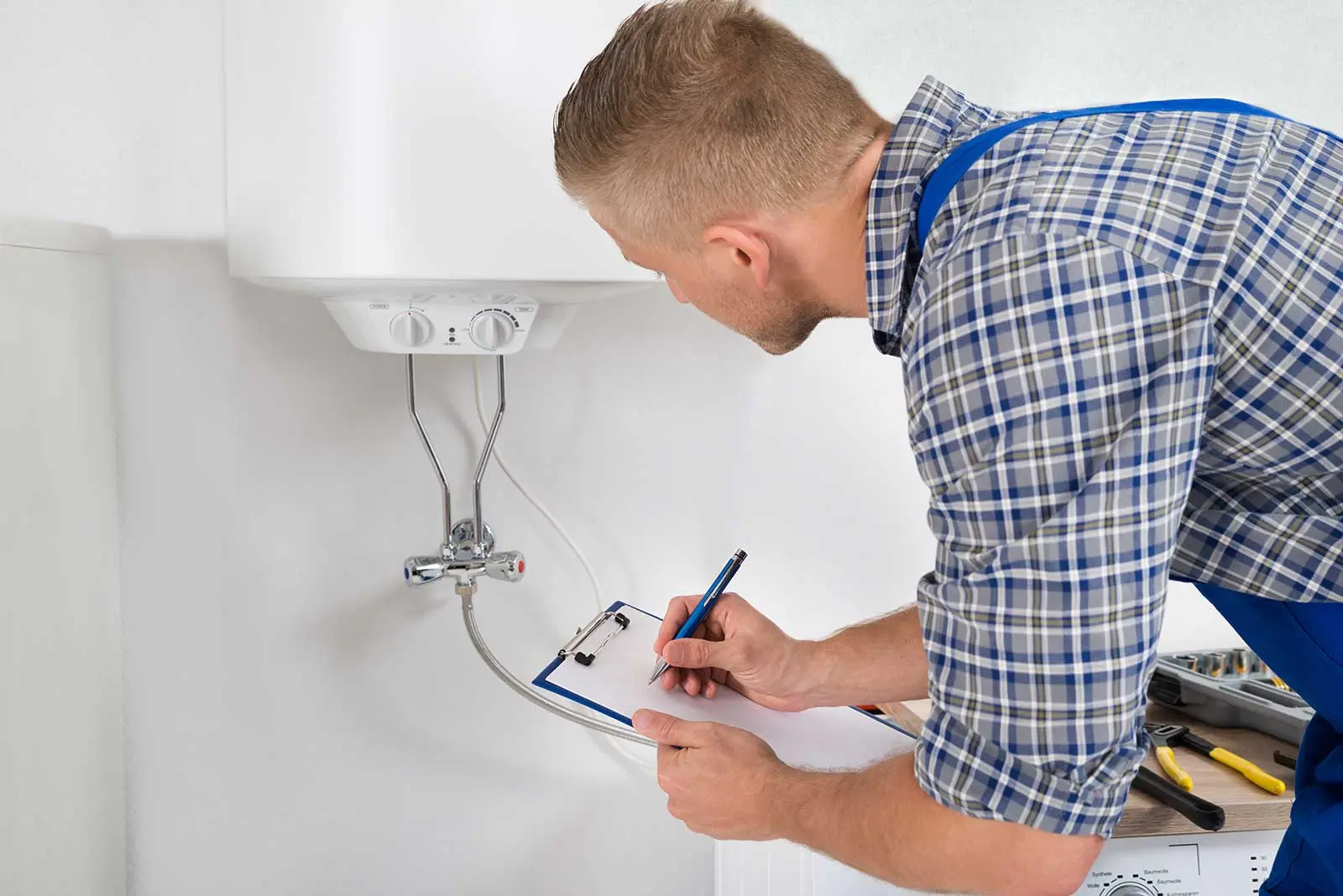
Another important maintenance service that homeowners should invest in is to flush water heaters to remove mineral sediment. When water is heated in the water heater tank, the natural minerals in water separate into solid sediment. This sediment can corrode the inside of the tank, leading to water heater leaks and dangerous malfunctions. During maintenance appointments, plumbers drain water heaters and clean the inside.
Doing maintenance bi-annually and regularly inspecting the plumbing system can save homeowners time, money, and headaches. Catching plumbing issues early on and repairing them immediately helps prevent the problem from worsening. Leaking pipes and plumbing fixtures can cause water damage that leads to mold growth and can even increase the risk of electrocution if water reaches the home’s electrical wiring.
About Allore’s Plumbing Services LLC
Allore’s Plumbing Services LLC is a trusted Stuart, FL plumbing company that provides comprehensive plumbing services at fair and affordable prices. Homeowners in Stuart, FL, and the surrounding areas, can depend on the team of expert plumbers at Allore’s Plumbing Services LLC for integrity, professionalism, and timeliness. Call them today to schedule an appointment for plumbing maintenance in Stuart, FL!
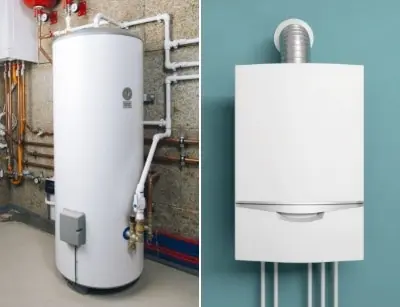
There are five types of basic water heaters, with most homeowners traditionally having either a gas or electric tank or tankless system. Besides traditional storage and on-demand style water heaters, there are heat pump water heaters, solar-powered water heaters, and condensing water heaters.
Water heaters work by bringing in cold water and using electricity or gas to heat the water by passing it through heating elements. Generally, a water heater will have a dip tube, heating element, anode rod, thermostat, heat-out pipe, and valves.
Different Type of Water Heaters
Storage tank water heaters use electricity or gas consistently, come in various sizes from 20 to 80 gallons for most homes, and are modestly priced for installation or repair. There are two basic types of tank heaters: those that use electricity and those that use gas, the latter being more cost-efficient for homeowners. These water heaters can last over 10 years if properly maintained with yearly upkeep and cleaning of sediment buildup.
Tankless water heaters provide instantaneous on-demand hot and warm water. The water is heated as it passes through the pipes and past a heating element. Maintenance on these types of heaters is on an ‘as-needed basis and typically arises based on water hardness. These water heaters are more expensive than traditional water heaters but can save money in the long run due to the conservation of energy. When properly looked after and addressed for any issues, these units can last upwards of 20 years.
5 Tips on Water Heater Maintenance
These tips and tricks should help any homeowner looking to extend the lifespan of their water heater. Preventative maintenance can go a long way in improving performance, giving peace of mind, and keeping up-to-date with household appliance management.
Getting the water heater tank flushed is an important task to be done by a professional yearly. Hard water can cause sediment buildup and prevent the heater from working properly by not working at maximum efficiency.
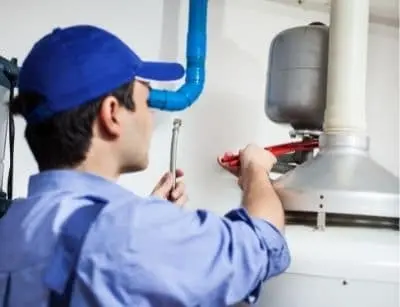
A basic check of the pressure relief valve can go a long way in the sense of safety. If this valve were not to work, the water heater tank could explode due to increased pressure. Replacing this valve is not a huge ordeal, is easily down by a professional, and can save headaches from occurring later.
Insulating the tank and the pipes is another way to keep a water heater lasting. This prevents heat from escaping allowing the water heater to work less hard, reducing energy consumption.
Lowering the overall temperature of the heater can also assist in conserving the tank. This allows the tank not to stay as active trying to maintain higher temperatures that are normally unnecessary or impractical.
Getting a professional inspection is always a good call as a homeowner by allowing a skilled expert to check every part of what makes a water heater work.
Common Signs that a Water Heater Needs Repair
Pooling, puddling, leaks, or dripping
Age
Low water pressure
Temperature of the water does not get hot enough or fluctuates
For all your local plumbing needs, Allore’s Plumbing Services LLC is a family-owned and operated business that offers 24-hour emergency help, 100% satisfaction guaranteed, and experts in the field of commercial and residential plumbing. Contact them for reliable water heater service in Stuart, FL today!
“I have used Allore’s in the past to replace a faucet in my kitchen and to install a garbage disposal. I discovered them because of these Google reviews. When my toilet started leaking at the base, I knew who to call.”
James B.
“Edgar & Jay did a great job replacing my garbage disposal within a day of making the appointment. They were quick and professional.”
Nedra R.
“Allore’s Plumbing went above and beyond to help me resolve a clogged toilet problem. They fit me in and quickly arrived, Tom fixed the problem and resolved a few other items that needed attention, and all at a very fair price.”
Matt B.
“We’ve used Tom’s services a few times over the past year for different things. Quality of the work and his responsiveness are outstanding. He has always gone out of the way to do the best work and educate us. Highly recommend.”
As a veteran-owned company, service is engrained in who we are. We provide quality services with extraordinary care and dedication.
Highly Trained Technicians
Our team has the specialized knowledge and skills needed to handle all sorts of residential and commercial plumbing problems.
100% Satisfaction Guaranteed
We want to make sure to leave your home in better condition than we found it. If there’s any aspect of your service you’re not 100% happy with, we’ll do anything we can to make it right!
*By clicking “Submit”, you agree to Allores Plumbing Services LLC Terms of Use and Privacy Policy. You consent to receive phone calls and SMS messages from About Plumbing to provide updates on your order and/or for marketing purposes. Message frequency depends on your activity. You may opt-out by texting “STOP”.


)
)
)
)
)
)